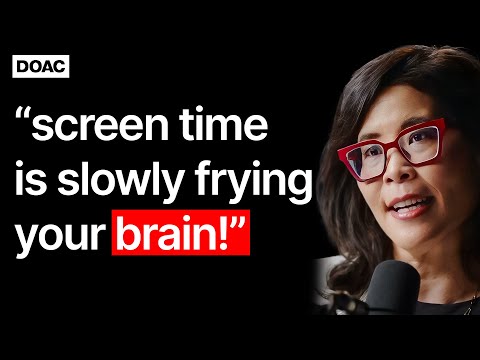
The Diary Of A CEO
The Exercise Neuroscientist: NEW RESEARCH, The Shocking Link Between Exercise And Dementia!
Summarised with Bite · 16 min read
Wendy Suzuki uses a preserved human brain named Betty, her father's Alzheimer's, and decades of neuroscience research to make one central point feel urgent: your brain is physically shaped by how you live. The episode matters because it turns brain health from an abstract idea into a practical daily checklist, exercise, sleep, diet, friends, focus, and even how you relate to anxiety, all of which can either protect your mind or slowly wear it down.
2:03 – 12:25
Why a bigger, fluffier brain changes your life
A preserved human brain sits in a box off camera, but before that dramatic reveal, Wendy Suzuki makes the conversation personal. She tells Steven Bartlett that a “big, fat, fluffy brain” is not a cute phrase, it is shorthand for a healthier, more capable brain. She argues that people obsess over visible body parts like abs and muscles while ignoring the most complex structure they actually depend on for everything, the brain in their own head. Her case is simple but powerful: if you improve the health of your brain, you improve memory, attention, decision-making, mood, and ultimately the quality of your life. She grounds that claim in two specific brain regions. First is the prefrontal cortex, just behind the forehead, which helps you focus, shift attention, make decisions, and show up as your best self in work and relationships. Second is the hippocampus, buried deep in the temporal lobe, which forms new long-term memories for facts and events. For a podcaster like Steven, she says, those two systems are everything. The hippocampus helps retain details about a guest, and the prefrontal cortex keeps attention flexible enough to listen, choose the next question, and circle back to key ideas. Then she explains why this subject became her mission. During the brutal six-year tenure track at NYU, she did nothing but work. Burnout pushed her into taking a solo river-rafting trip to Peru, where she realized she was the weakest person on the trip. When she returned, she started exercising regularly, mostly because she never wanted to feel that weak again. What surprised her was not just getting stronger. Her mood improved so much that even her lab noticed. Then came the real turning point. One day, while writing a grant, she had a thought she had never had before: “Gosh, writing went well today.” She traced the change back to the one thing she had altered, regular exercise. That private discovery collided with a devastating family crisis. Her father got lost driving home from a coffee shop he had visited every afternoon for 20 years. As a memory researcher, she immediately recognized the warning sign. He was later diagnosed with Alzheimer’s dementia. Watching her own memory and focus improve while seeing his collapse pushed her to redirect her career. The question stopped being academic. She wanted to know whether movement could protect the brain before diseases like Alzheimer’s take hold.
3 more sections in the app
- 12:25 – 31:39The brain changes shape, and memory follows attention
- 31:39 – 50:30Holding Betty, then building a brain that lasts
- 50:30 – 1:30:16Phones, anxiety, grief, love, and the search for meaning