Asian Dad Energy
I Got Laid Off... Now I Make $11,000 a Month Doing Whatever I Want
Summarised with Bite · 11 min read
A laid-off ex-Big Tech engineer explains how losing his job pushed him into an accidental early retirement, and why that turned out far better than he expected. The real value of the video is not just the $11,000 a month number, it is the blueprint underneath it: traditional assets plus small monetized hobbies, all designed to buy back time and reduce stress.
0:00 – 5:44
The layoff that felt like an ending, then quietly became an exit
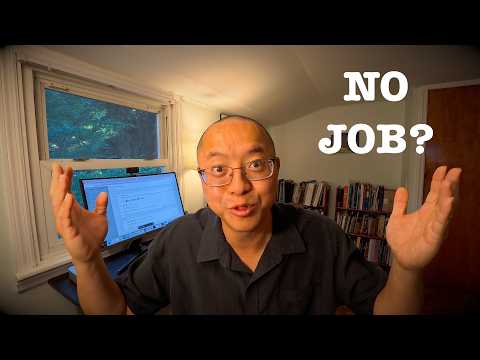
He opens in a raw, almost confessional place: an unemployed ex-Big Tech software engineer with 25 years in tech, watching yet another week of mass layoffs roll through the industry. What makes the opening land is that he does not pretend to have reacted heroically. He names the sequence plainly, shock, anger, shame, and depression. Then he flips the emotional direction. Instead of spiraling downward, he says most days now feel full of possibility, and some days feel "almost euphoric," so good that he does not want the day to end. That is the first surprise of the video. The layoff did not just cut off income. It forced a decision he probably would never have made on purpose: involuntary early retirement. He is careful not to universalize his situation. This only works, he says, because years of a high-paying tech job let him save and invest enough to become financially independent. That caveat matters, because the next part is really aimed at people still caught in the machine. He paints that world vividly: employees carrying the work of laid-off coworkers, battling burnout, survivor's guilt, and imposter syndrome, or former employees grinding through what he calls the "Kabuki theater" of LinkedIn and an interview process that feels like a "humiliation ritual," all for a lowball offer they may not even want. The unexpected angle here is that he is not selling hustle. He is offering a public-service style look at what happens after escape velocity. Then he gets concrete. The foundation of his post-layoff life is not YouTube fame or some overnight side hustle. It is boring, slow-built cash flow. Two paid-off rental houses bring in the biggest chunk. One is run by an agency and is almost pure passive income, with only the occasional approval for a major repair, earning $2,100 a month. The second cannot use an agency and is more annoying, costing him two to three hours a month in maintenance coordination, sometimes even DIY work, for about $1,800. Together, that is $3,900 a month. Next comes the investment layer. Since the 2008 financial crisis, he and his family have been saving into broad index funds like the S&P 500 through both 401(k)s and taxable brokerage accounts. He used to DRIP, short for dividend reinvestment program, meaning dividends automatically bought more shares. After the layoff, he turned that off and started taking the dividends as income instead. That shift now gives him about $1,500 a month and costs almost no time, maybe an hour every six months to check things. On top of that sits a high-yield savings account, originally funded with three months of emergency savings, then expanded to a full year of expenses as layoffs intensified, and later boosted again with a severance package he says was roughly another year of expenses. That cash cushion now throws off about $300 a month. By the time he finishes this part, the mystery starts to resolve: the freedom did not come from one dramatic bet. It came from years of quietly stacking assets that turned a layoff into a runway.
2 more sections in the app
- 6:16 – 9:59When hobbies stop being hobbies and start paying you back
- 10:33 – 14:44Coding for fun, accidental income, and the strange feeling of a post-labor preview