App Masters
App Store Optimization: The Proven ASO Framework for 2026
Summarised with Bite · 9 min read
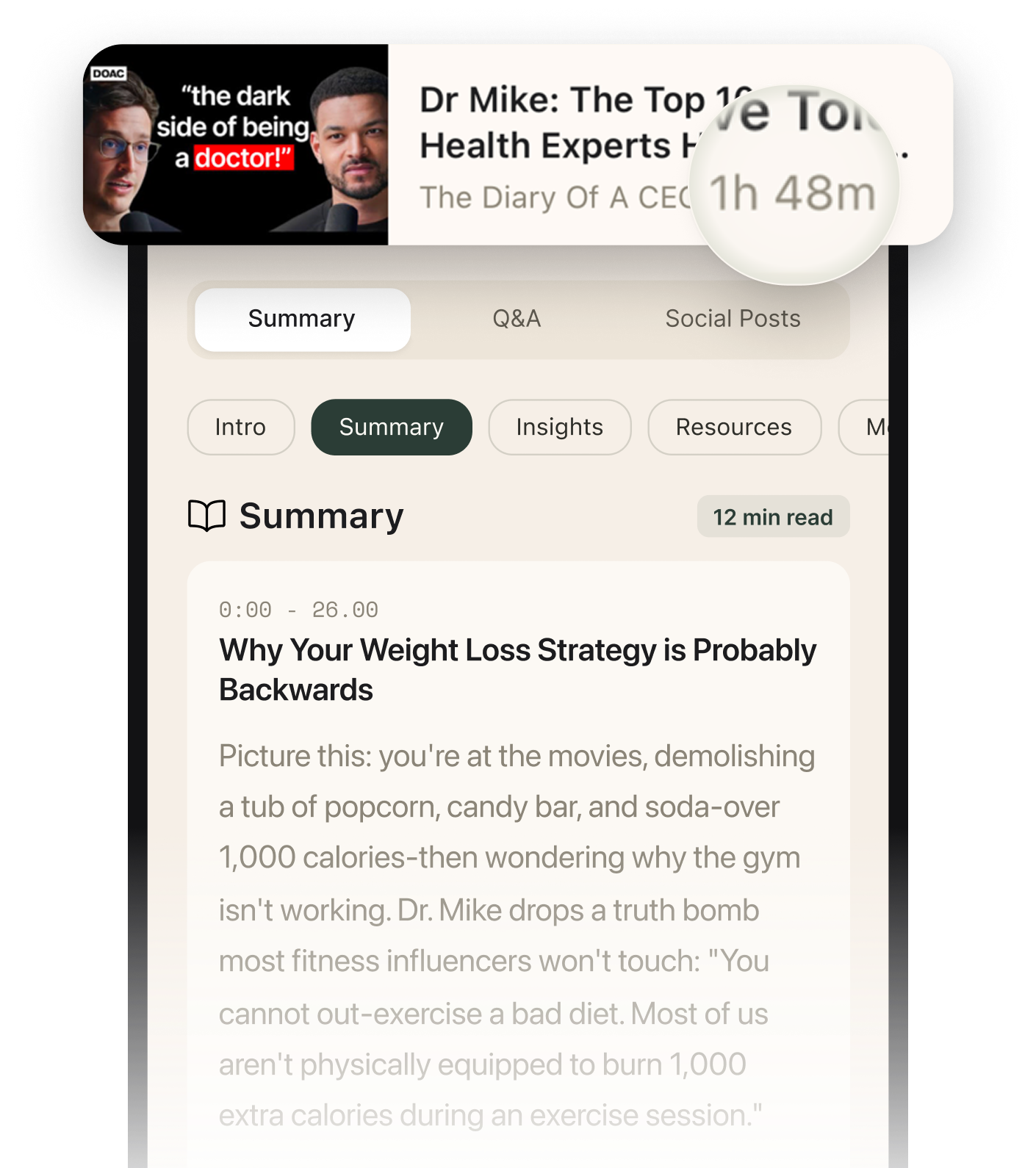
Steve Pang lays out a practical ASO playbook for 2026, built around one uncomfortable truth: app store optimization still works, but it is much harder than it used to be. The video matters because it replaces generic ASO advice with a clear ranking hierarchy, a localization tactic most beginners miss, and a keyword strategy based on real examples that produced organic downloads and revenue.
0:00 – 5:12
What still moves rankings in 2026, and the localization loophole most people miss
The video opens with a reality check: ASO is still one of the best organic growth levers Steve has used since being in the app space from 2010, but the store is now crowded with far more launches every month, and that makes old advice less reliable. That tension drives the whole framework. ASO is not dead, but it no longer forgives weak positioning, weak metadata, or lazy keyword choices. Steve starts by ranking the ranking factors themselves. At the top sits metadata: the words in the title, subtitle, and keywords field on iOS, and the title, short description, and description on Google Play. He treats this as the foundation because it tells the store what the app is about in the clearest possible way. Right beside that, he places download volume. That is the surprising part for many indie founders, because it means organic rankings are not purely organic. Apps with paid user acquisition, social media reach, or existing momentum often rank better because download activity reinforces relevance. Ratings and reviews still matter, but he puts them in the "mostly important" bucket, more as a force that improves conversion and supports other channels than as the main engine of rank. He then separates what founders obsess over from what he thinks actually deserves attention. Conversion rate matters, especially product page view to download, because testing screenshots can lift installs. But he says he does not pay much attention to App Store Connect impressions because he does not know what that number really means in a useful way. Sales matter, retention and engagement matter even more on Google Play, and he believes iOS is increasingly paying attention there too. By contrast, updates, installs as a standalone metric, backlinks, and external traffic are not where he would spend most of his energy if the goal is simply to rank inside the store. Then he shifts into a tactic that feels almost like finding extra shelf space in a packed store. On iOS, the US App Store indexes nine localizations, including Spanish Mexico, and Steve says you can use English keywords inside those additional localizations to help US rankings. He shows an example from one of his apps where the US localization and the Spanish Mexico localization both use English, each carrying a different set of keyword targets. The point is simple and powerful: if keyword real estate is scarce, localization gives you more room to place strategic bets without changing the core product.
2 more sections in the app
- 5:12 – 9:20The keyword bet that made money, and how to choose terms you can actually win
- 9:51 – 14:31When even decent keywords are too hard, play the quantity game and treat ASO as one slice of growth