The Rest Is Science
Your Brain Invents Pain. Here's Why.
Summarised with Bite · 13 min read
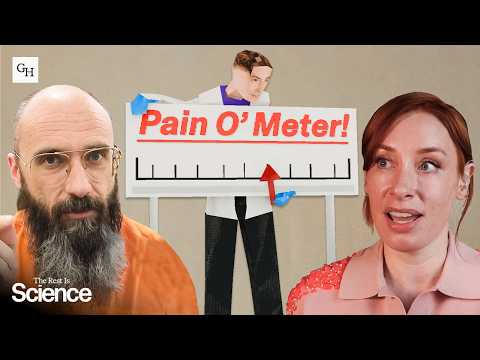
This episode starts with ice water and hot-dog pain tricks, then opens into a bigger idea: pain is not a simple damage meter, it is a judgment your brain makes from signals, context, memory, fear, and expectation. That matters because it changes how we think about chronic pain, placebo, caregiving, and the future of pain medicine.
0:00 – 14:36
Ice water, hot dogs, and the first crack in the myth
A scratched cornea, a bottle of eye drops, and instant relief. The conversation opens with a simple but unsettling contrast: some pain vanishes the moment the signal is blocked, while other forms, like cluster headaches, are so extreme they earned the grim nickname "suicide headaches." That sets up the central mystery of the episode. If pain can be switched off so suddenly, what exactly is it measuring? After the sponsor break, they turn the question into a stunt. Both plunge a hand into bowls of ice water, using the cold pressor test, a real research method for comparing pain tolerance. Even in this playful version, the point lands. Swearing can help people keep their hand in longer. Stress makes them pull it out sooner. Talking about excruciating pain makes the cold hurt more. Already, pain is acting less like a thermometer and more like a negotiation. Then comes the stranger example. Frederick Lindstedt reportedly lined up frankfurters alternating between about 40 degrees C and 5 degrees C, then laid a flat hand across them. The result is the thermal grill illusion: neither temperature is dangerous on its own, but together they can feel painfully burning. The explanation they circle around is simple and memorable. Your skin has one pathway that says, "This is cool, no big deal," and another that screams, "This burns, pull away." When warm and cold are arranged together in the right way, the brain loses the calming message and gets left mainly with the alarm. The body is safe, but the verdict is pain. That is the unexpected angle the whole episode hangs on. Pain is not a faithful readout of tissue damage. It is, as they put it, a verdict the brain constructs, and sometimes it is just wrong. Even the word points backward to an older view. They trace it to Latin poena, penalty or punishment, and Greek poine, blood money, as if pain were a debt to be paid. Modern science has moved away from that. They note that in 2020 the official definition changed to include experiences that resemble those associated with actual or potential tissue damage, even when no damage is present. That change matters because it makes room for chronic pain that is real, serious, and not explained by a visible injury.
3 more sections in the app
- 14:36 – 30:47Signals, brains, and the people who never feel pain
- 30:47 – 41:53Why context changes pain, and why care works like medicine
- 41:53 – 47:50The future of pain relief, without killing the warning system
Summarised by Bite, an AI YouTube video summarizer that also works as a podcast summarizer.