Einzelgänger
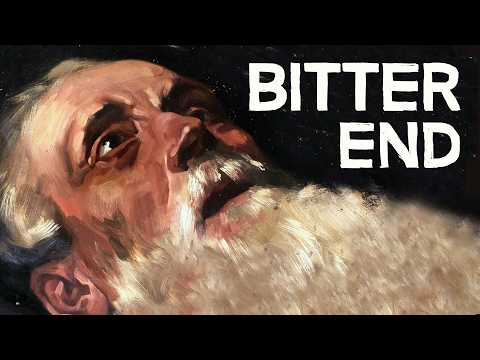
Why You Grow Bitter As You Get Older — Arthur Schopenhauer
Summarised with Bite · 8 min read
Why do we grow bitter as we age? Schopenhauer argues it's not personal failure but life's cruel design: we start with Disney-level expectations, chase fleeting pleasures that fade faster each time, and accumulate pain that cuts deeper than joy ever soared. By the time we're older, we've seen through the illusion that happiness lasts, and bitterness becomes the logical response to a rigged game.
1:01 – 3:41
The Curtain Rises on a Lie
Picture a child in a theater, heart pounding with anticipation, waiting for the curtain to rise. That's how Schopenhauer saw youth: full of breathless excitement for a future that looks impossibly bright. We imagine ourselves flying airplanes, living in dream houses, building happy families. We're convinced our generation will fix what the adults broke. This ignorance, Schopenhauer believed, is a blessing. If we knew the truth (that we're "innocent prisoners, condemned not to death but to life"), we'd see misery isn't an exception but the default human condition. That knowledge would destroy our youthful enthusiasm before we even began. So we plunge forward with great expectations and even greater desires, blissfully unaware that life won't play out as we hoped. Maybe we watched too many Disney movies. Maybe we were shielded from the darker aspects of life. Or maybe children are simply wired for hopeful thinking. Whatever the reason, we enter life expecting a happily-ever-after waiting around the corner, only to collect painful experiences we'll carry for decades.
4 more sections in the app
- 4:26 – 6:31Why the First Time Hits Harder
- 6:31 – 7:34The Conjurer's Trick Only Works Once
- 7:34 – 9:44Pain Cuts Deeper Than Pleasure Soars
- 9:44 – 10:49The Logical Outcome of a Rigged Game
Summarised by Bite, an AI YouTube video summarizer that also works as a podcast summarizer.