Marques Brownlee
Why New Smartphone Cameras Feel Worse
Summarised with Bite · 7 min read
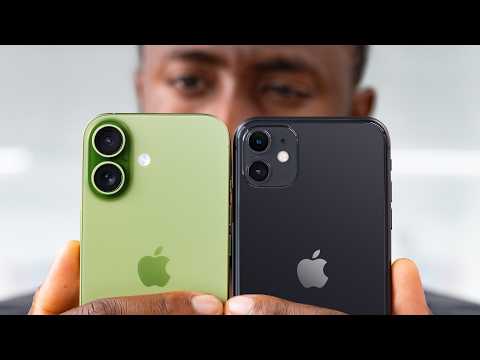
Smartphone cameras have gotten so good at rescuing terrible photos with AI tricks that they've started making normal photos look worse. The iPhone 11 often produces more natural-looking shots than the 17, and Samsung's S23 beats the S26 in everyday scenarios—all because modern phones refuse to let you take a bad picture, even when you don't need the help.
0:02 – 2:05
The Great Smartphone Camera Experiment
Imagine laying out every iPhone ever made—1 through 17—and taking the exact same photo with each one. That's what happened here, and the results broke expectations. The latest generation didn't always win. In some cases, phones from five or six years ago produced photos that looked more natural, more real, than today's flagships. The first iPhone camera was barely a camera at all: a 2-megapixel pinhole that couldn't autofocus, couldn't record video, didn't even have a front-facing lens. It was an afterthought. But as culture shifted and people started caring about capturing moments instantly, smartphone cameras became a legitimate selling point. Each year brought dramatic improvements—bigger sensors, better lenses, smarter software. Then around 2010, phones stopped getting bigger. They'd maxed out pocket space. Camera bumps kept growing, but the dramatic year-over-year leaps started shrinking. Compare an iPhone 17 photo to an iPhone 11 photo in good daylight, and without zooming in, they look nearly identical. Maybe the 17 has slightly more background blur from a larger sensor, but for most people, both look perfectly fine. Any phone from the past five years can nail a photo in perfect conditions—which means perfect conditions no longer separate good cameras from bad ones.
3 more sections in the app
- 2:05 – 3:38The Self-Correcting Basketball Hoop
- 3:38 – 5:43When Perfection Becomes a Problem
- 5:43 – 7:07The Balancing Act
Summarised by Bite, an AI YouTube video summarizer that also works as a podcast summarizer.