Dr. Eric Berg DC
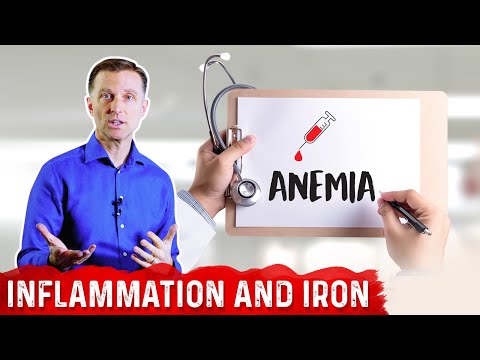
Why Chronic Inflammation Causes Anemia (Iron Deficiency) – Anemia of Chronic Disease – Dr.Berg
Summarised with Bite · 5 min read
When you're fighting infection, your body locks away iron to starve pathogens — but if inflammation becomes chronic, you end up iron-deficient and anemic while the iron sits trapped. Dr. Berg explains why taking iron supplements backfires and what to do instead.
0:00 – 2:07
Your Immune System's Starvation Strategy
Picture your body detecting an invader. Instead of attacking head-on, it plays a tactical game: it hides the food. Iron and certain trace minerals are essential fuel for microbes to grow — both the good bacteria in your gut and the harmful pathogens trying to multiply. The moment your immune system senses infection and inflammation, it rapidly binds up free iron using specialized compounds, a process called sequestration. This locks the iron away where pathogens can't reach it. This creates a high-stakes chess match. Your body withholds iron. The pathogen, desperate to survive, tries to break open your cells to steal what it needs. The good bacteria in your microbiome also need iron, so they're caught in the crossfire. If your immune system is healthy, it wins by starving the invaders until your white blood cells finish the job. Then the inflammation subsides, the fever breaks, and the sequestered iron gets released back into circulation for your cells to use. But this defense mechanism has a dark side. People with hemochromatosis — a condition where the body can't get rid of excess iron — become infection magnets. Their tissues are flooded with free iron, essentially setting out a buffet for any passing pathogen. Even Lyme disease bacteria have adapted to this game by switching their fuel source from iron to manganese, sidestepping the immune system's blockade entirely.
2 more sections in the app
- 2:07 – 3:38When the Game Never Ends: Chronic Inflammation and Anemia
- 3:38 – 3:48Breaking the Cycle: Fasting and Vitamin D
Summarised by Bite, an AI YouTube video summarizer that also works as a podcast summarizer.