Stefan Milo
What really happened to the last Neanderthals?
Summarised with Bite · 13 min read
This video tackles a deceptively simple question: if Neanderals were adaptable, creative, and strikingly human, why did they disappear while we remained? The surprising answer from recent research is that climate and direct conflict may not be the main story. Instead, the last Neanderals may have survived for millennia in Iberia, but in smaller, more isolated groups, while Homo sapiens were part of wider, better-connected networks that made survival in hard times easier.
0:02 – 1:05
At Gibraltar, the ending feels close enough to touch
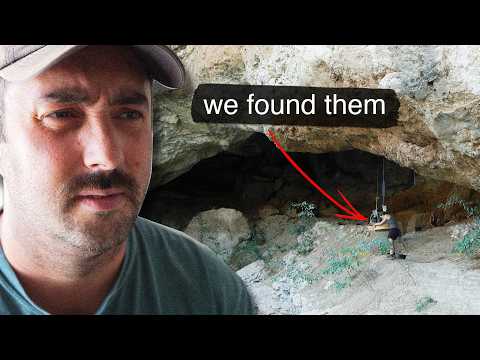
A woman and a roughly 4-year-old child, found in caves at Gibraltar, make the end of Neanderthal history feel painfully ordinary. You can picture them clambering up the rock, gathering shellfish and other resources from the sea, then sitting around a fire in the evening. The host lingers on that image because it cuts against the old caricature of Neanderals as brutish failures. Their lives were hard, "super hard compared to now," but still recognizably human and even, in his words, "kind of beautiful to imagine." That is what makes their disappearance so puzzling. Around 45,000 years ago, these last Neanderthal communities at Gibraltar were seemingly not alone. Modern humans were just 100 km away at Bacho Kiro Cave, or at least the broader expansion of Homo sapiens into Europe had already begun by then. The video frames the mystery carefully: not just what happened, but how long the two human groups coexisted, and whether archaeology can finally tell us something firmer than the old dramatic stories about conquest. Before getting to extinction, the host insists on rebuilding Neanderthal life on its own terms, especially in Iberia. That matters because if you begin with the assumption that they were fragile or primitive, their disappearance looks inevitable. But if they were capable people at home in difficult landscapes, then their end demands a better explanation. Gibraltar becomes more than a final refuge. It becomes the emotional setup for the whole argument: these were not creatures hanging on by a thread, but humans living meaningful lives right up near the edge of the story.
4 more sections in the app
- 1:05 – 5:43The Iberian Neanderthals were not fading shadows
- 5:43 – 9:21The dating fight changed the timeline, but not the mystery
- 9:21 – 11:25A child's tooth in France reopened the whole story
- 11:25 – 16:39Maybe Neanderals were not outcompeted, but outconnected
Summarised by Bite, an AI YouTube video summarizer that also works as a podcast summarizer.