Vox
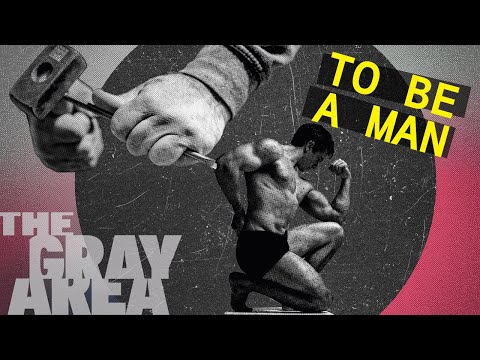
What masculinity does to men | The Gray Area
Summarised with Bite · 13 min read
This conversation is about a harder question than "what's wrong with men": how boys and men are shaped by expectations they did not choose, then spend years trying to live up to, resist, or recover from. Jordan Ritter Conn argues that masculinity often works less like a stable identity and more like a pressure system, one that can produce loneliness, shame, violence, ambition, and deep feelings of inadequacy, even in men who seem to be winning.
0:36 – 12:38
The gap between the man you should be and the man you are
The interview opens with a confession that lands because it is so ordinary: after spending years writing a book about masculinity, Jordan Ritter Conn still catches himself wondering, "should I be on creatine right now?" That little joke at [7:26] is the whole thesis in miniature. You can understand the script, critique the script, even write a book about the script, and still feel its grip in your body. Conn tells Sean that he did not want to write another abstract book declaring what masculinity is or is not. He started in 2020, before the "what is wrong with men" discourse got as loud as it is now, and aimed for something more durable, questions about men's experiences, meaning, expectation, and inadequacy. Instead of arguing in the abstract, he tells four lives. That choice matters because it shifts masculinity from a debate topic into something lived, inherited, and improvised over time. His core idea is that many men's lives are shaped by a gap, the distance between "the men we think we should be and the men we actually are." At [4:17] he lays out the familiar ingredients of the standard: be emotionally reserved, dominant over other men, sexually attractive, and economically capable enough to provide. The surprising point is not just that many men fail to reach these benchmarks. It is that even reaching them can be its own trap. Conn says the expectations can feel "quite limiting" and can push men into lives that keep them from "access[ing] our full humanity." That is why the book includes men who start from very different positions. Ryan is bullied early and learns he is seen as weak. Gideon seems to embody every masculine ideal and barely has to think about masculinity at all, until life punctures the illusion. Joseph tries to solve inner chaos by becoming a provider. Nate, a trans man, approaches masculinity more intentionally, but still has to contend with the same visible markers of size, strength, and social recognition. Different stories, same pressure point. Conn's metaphor is useful: masculinity is "the water that we're swimming in." It is there whether men want it or not, shaping them whether they consent or not. That framing changes the conversation. The issue is not simply whether masculinity is good or bad. The issue is that men are absorbing a standard before they can name it, then organizing themselves around it long before they have the language to ask whether it deserves that power.
3 more sections in the app
- 13:09 – 20:00Ryan, fighting back, and the comfort he did not get
- 20:00 – 27:41The men who look fine, the men who say 'I'm good,' and the loneliness underneath
- 28:11 – 43:46Direct questions, grace, and the kind of home a boy inherits
Summarised by Bite, an AI YouTube video summarizer that also works as a podcast summarizer.