Dr. Eric Berg DC
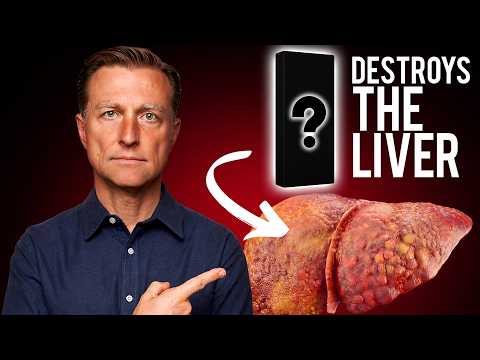
This Common Drug Is Silently Destroying Your Liver
Summarised with Bite · 8 min read
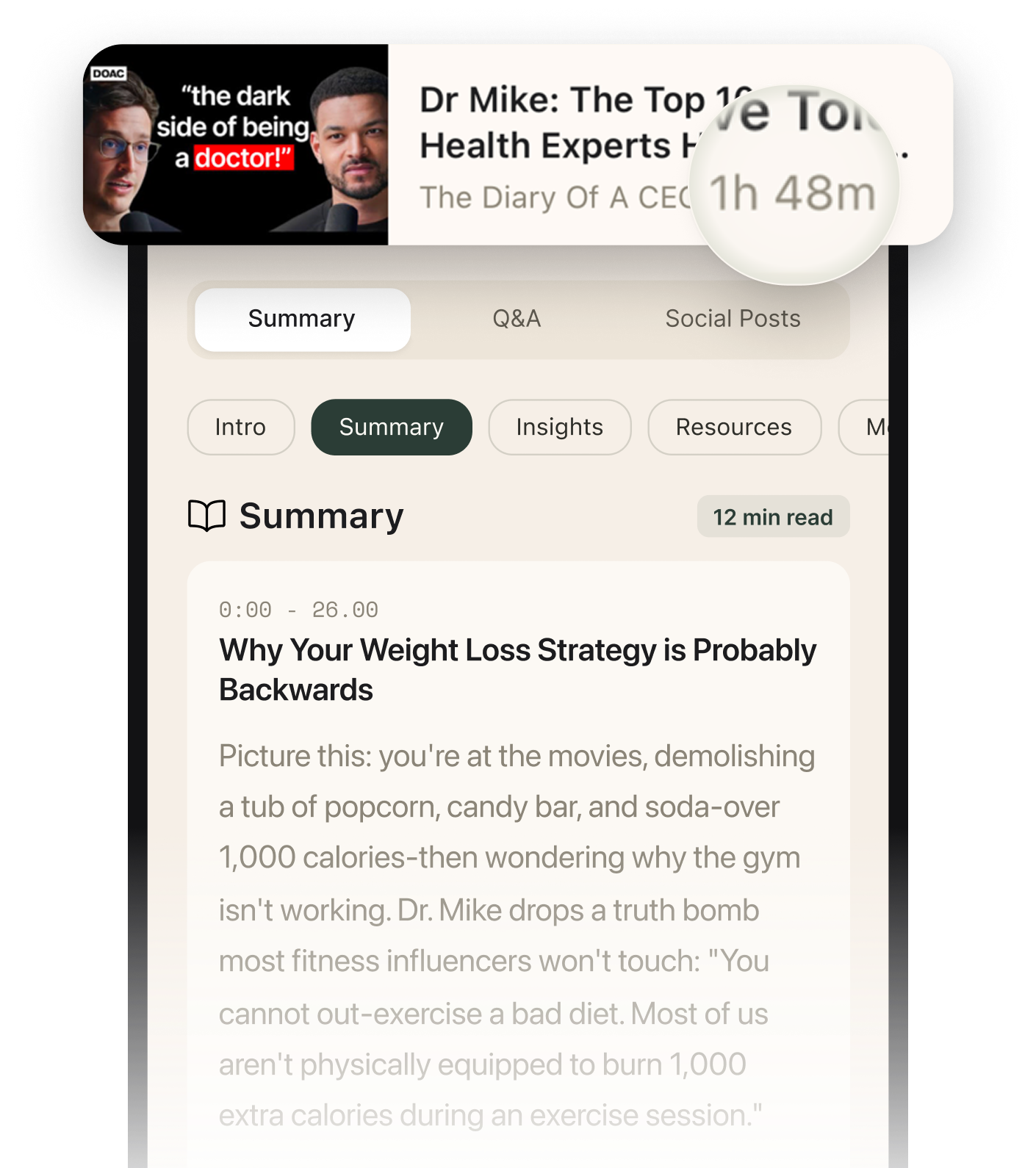
Ozempic has two contradictory faces: studies show it can reverse liver inflammation without weight loss by acting directly on liver receptors, yet other patients experience catastrophic liver damage within weeks. The difference lies in who takes it, how it's monitored, and whether underlying liver health is assessed beforehand.
0:00 – 5:18
The 67-Year-Old Woman Who Nearly Lost Her Liver
A 67-year-old woman walked into the emergency room two weeks after starting Ozempic for weight loss. Her ALT liver enzyme level measured 1,616. Normal levels sit under 40. A heavy drinker with cirrhosis might hit 200. Tylenol poisoning victims in active liver failure range between 1,000 and 3,000. She landed in that range from two weeks on a weight loss drug. The paradox gets stranger when you examine the research. An April 2026 study from the University of Toronto shattered a foundational assumption about how Ozempic works. Scientists believed the liver benefits came solely from weight loss: you drop pounds, inflammation disappears, scarring reverses. Daniel Drucker, who co-discovered GLP-1 in the 1980s, found the improvements too dramatic for weight loss alone to explain. His team engineered mice that physically could not lose weight on Ozempic, gave them the drug anyway, and watched their livers improve. Inflammation dropped, fibrosis reversed, without losing a single ounce. They discovered GLP-1 receptors hiding directly in the liver, meaning the entire field had misunderstood the mechanism. Meanwhile, in a study of over 106,000 patients, researchers found a measurably increased risk of acute liver injury in women on GLP-1 drugs compared to different diabetes medications. The reason these cases slip through? Hepatotoxicity is not on the warning label. Doctors rarely check liver function before starting patients on Ozempic. When someone develops fatigue, mild abdominal discomfort, or loss of appetite, those symptoms get written off as known side effects, not connected to the liver until someone ends up in the ER with enzymes in the thousands.
3 more sections in the app
- 1:03 – 4:12The Miracle Study That Only Applies to 1 in 20 Patients
- 5:18 – 7:24The Gallbladder Connection and the Fat Flood Problem
- 8:26 – 10:28What Happens When You Stop (and What to Do If You're On It)
Summarised by Bite, an AI YouTube video summarizer that also works as a podcast summarizer.