Lenny's Podcast
The most rational take on AI you’ll hear this year
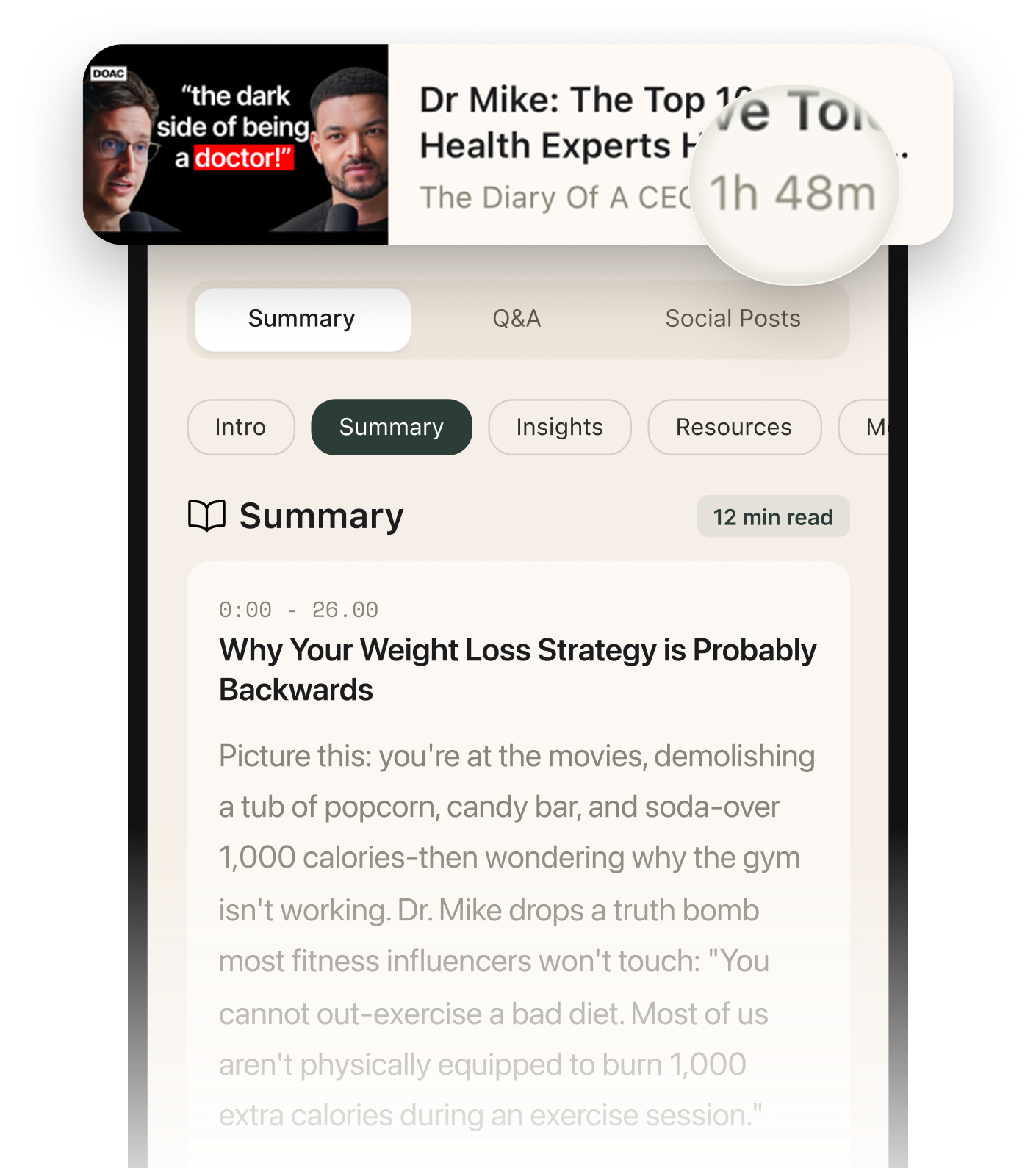
Summarised with Bite · 19 min read
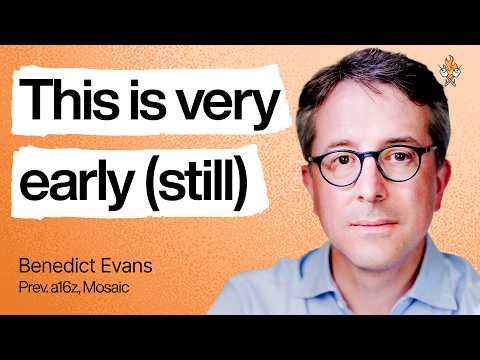
Benedict Evans offers a rare middle path on AI: it is absolutely enormous, on the scale of the internet or smartphones, but not a magical instant job apocalypse. His core message is both calming and demanding, we are early, we do not know who will capture the value, and the best response is not panic or denial but getting hands-on enough to understand what this technology actually changes.
0:00 – 9:49
AI is huge, but we are still in the 1997 fog
He opens with a line that sounds designed to irritate both hype people and skeptics: AI is "as big a deal as the internet or mobile and only as big a deal as the internet or mobile." That sounds minimizing until he flips the frame. Smartphones were a very big deal. The internet was a very big deal. The surprising point is not that AI is small, but that comparing it to the internet is already a claim of massive historical importance. His real argument is about timing. If AI is the internet, then we are not in the polished, boring middle of the story. We are in 1997, the stage where everything is exciting, half the demos break, and most of the things people will eventually do have not been built yet. That helps explain the strange split in adoption. Inside tech, there are people who have bought a cluster of Mac minis and "don't use Google anymore." Outside tech, many regular users touch these tools every week or two, maybe. Even among younger users, he cites a rough pattern where only around 15 to 20 percent are daily active, another 20 percent are weekly, and the remaining 60 percent are not using them. That uncertainty is not a bug in his worldview. It is the worldview. He jokes that a reaction to his 80-slide presentation was basically, "this is 80 slides are saying we don't know," and he thinks that is not entirely wrong. The same uncertainty applies to market structure. Asking today whether OpenAI or Anthropic has already won is like asking in the late 1990s whether the internet belonged to Excite or Yahoo. History suggests the eventual winners often come from a different angle than the one everyone is staring at early on. When Lenny asks when life starts feeling radically different, Evans says software is already there. Developers are like accountants seeing the first spreadsheet. VisiCalc did not merely save time, it made people feel the ground shift beneath an entire profession. But for many other industries, AI still looks like an impressive demo in someone else’s department. A lawyer or journalist might look at it the way non-accountants looked at early spreadsheets, clever, useful, probably important, but not yet obviously central to my daily work. That gap between local wow and system-wide transformation becomes the thread for the rest of the conversation.
5 more sections in the app
- 9:50 – 17:57The hard part of work is usually not the part AI automates first
- 18:07 – 38:00Why the job apocalypse story is too simple, and why the model labs may not win
- 38:00 – 53:11Distribution, backlash, and the messy politics around AI
- 53:11 – 1:08:29How to think about your career when nobody can map the whole future
- 1:08:29 – 1:19:39The final mood: humility, curiosity, and 'it'll probably be okay'
Summarised by Bite, an AI YouTube video summarizer that also works as a podcast summarizer.