Vox
The internet is all bots now | The Gray Area
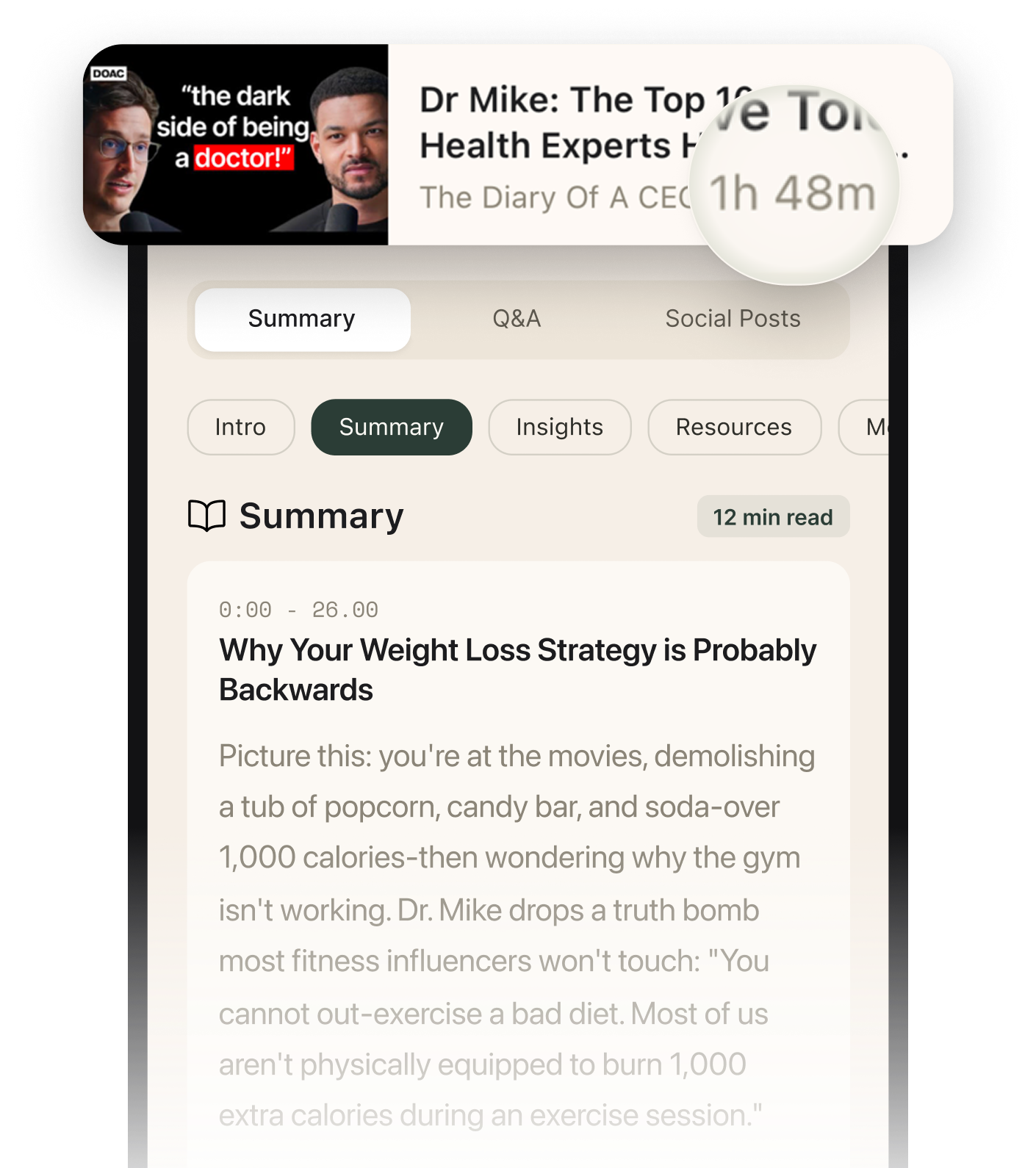
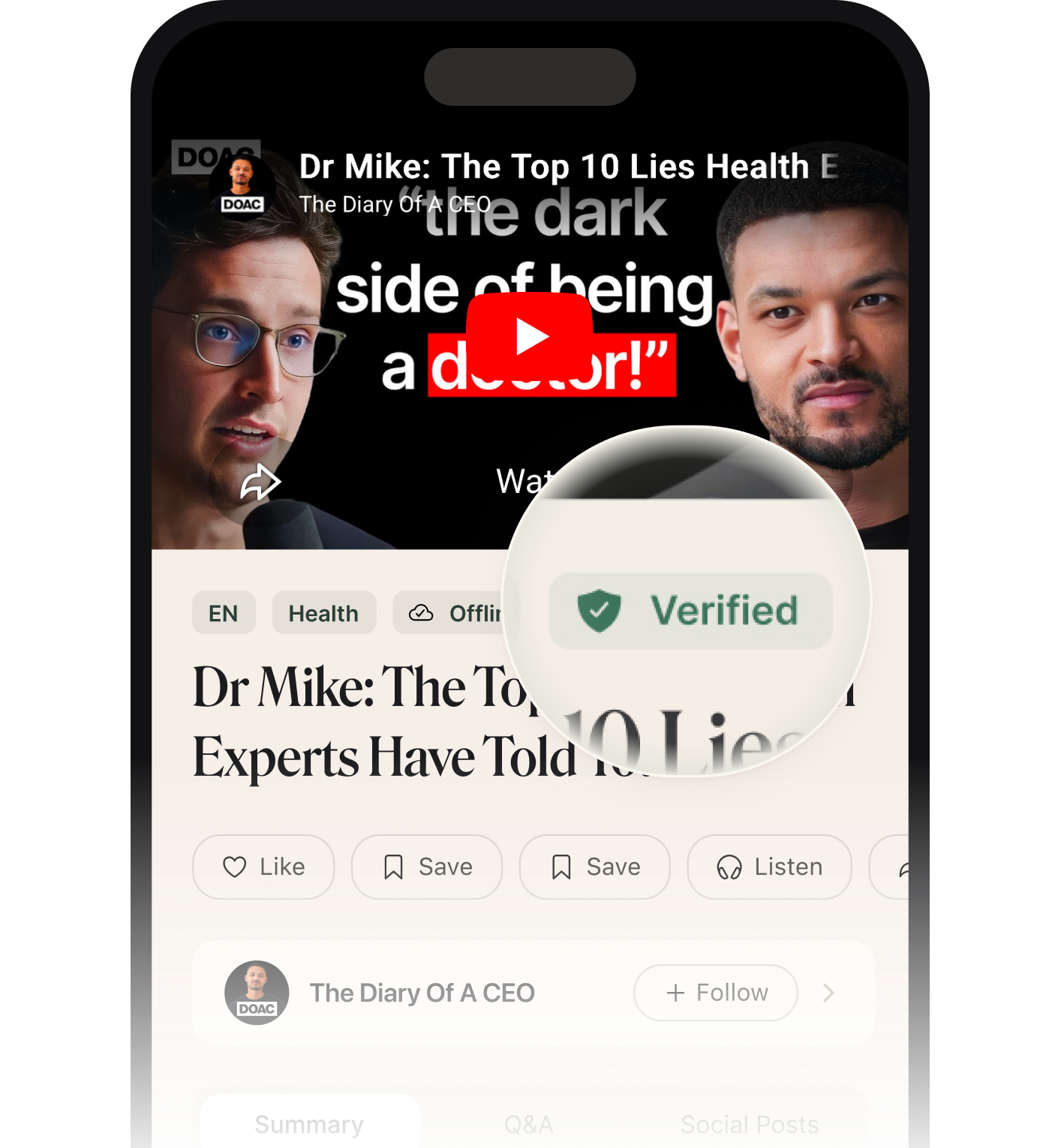
Summarised with Bite · 13 min read
Charlie Warzel argues that the internet no longer mainly feels like a place where humans talk to humans. It feels like a machine ecosystem, bots, algorithms, fake accounts, AI music, AI images, and engagement systems interacting with each other while we sit inside it feeling disoriented, paranoid, and strangely powerless. The deeper reason to care is not just that there is more junk online, but that this environment pushes a bigger civilizational question into view: if machines can imitate so much of what we do, what is a human for?
0:00 – 8:45
When the internet starts feeling haunted
The conversation opens with a blunt question that sounds almost sci fi but lands as an everyday feeling: what is a human for? From there, Charlie Warzel gives language to something a lot of people feel but struggle to name. The mood of the internet now, he says, is disorientation mixed with paranoia. Years ago, Max Read described an “inversion,” the point where fake or automated content might outnumber human-made content online. Back then, that sounded like a revelation. Now it sounds almost innocent. Warzel walks through how much stranger the situation has become. It is not just sock puppet accounts on Twitter or comment bots anymore. It is synthetic text, AI generated websites, scam pages, fake videos, synthetic music, and coordinated marketing campaigns built not to persuade people directly but to impress recommendation systems. His example is wonderfully bleak: if you are a musician, you can hire viral marketing firms to flood TikTok with your song so the algorithm concludes the track is already popular, then boosts it further when actual users begin posting it. In other words, the real customer is no longer the human listener. It is the machine gatekeeper. That shift changes how culture feels. If everything might be fake, then anything can be dismissed as fake. Warzel invokes the “liar’s dividend,” the idea that once the environment is flooded with junk, real things become easier to deny. A scandal, a video, a trend, even a sincere expression can always be waved away as planted, manipulated, or synthetic. Shawn Illing captures the texture of this perfectly when he says the internet now feels “fake and real and dead and alive all at the same time.” People are obviously still present, but you are never quite sure who is speaking, who made what you are looking at, or why it appeared in front of you. Warzel makes this concrete with music. He describes talking to a member of King Gizzard and the Lizard Wizard, whose band left Spotify in protest, only to find “domain squatters” filling their space with AI slop music that sounded like them and siphoned streams until Spotify took it down. He also describes clicking through jazz and classical playlists on Spotify and noticing artists with no visible human footprint at all, no manager page, no label, no profile picture, just a trail that loops back to the platform. The paranoia creeps in there. You think you are listening to another person’s expression and slowly realize you may just be hearing optimized filler made to occupy a slot. The larger point is not simply that there is more bad content. It is that taste and judgment no longer protect you the way you might think. Warzel says we like to imagine we have “reasonably good taste” and are not the sort of people who would accidentally consume fake jazz. But in a high-volume machine environment, everyone can. That is what makes this less like a niche media problem and more like an existential one.
2 more sections in the app
- 9:15 – 31:08From dead internet to a crisis of agency
- 31:08 – 40:56Why human contact still matters, and the tiny internet worth saving