Minority Mindset
The 2026 Great Economic Reset Is Starting
Summarised with Bite · 12 min read
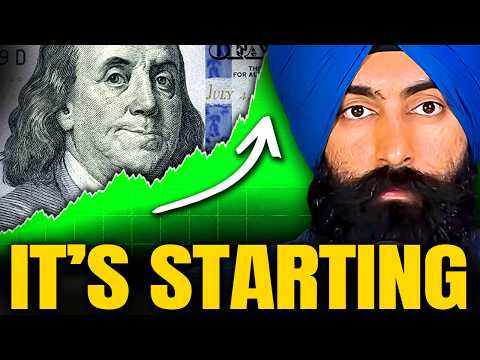
This video argues that the real 2026 reset is a collision between two forces that used to work together: a government that wants growth at almost any cost, and a Federal Reserve that now wants to slow things down to stop inflation. The payoff for viewers is practical: if you understand how war spending, debt, interest rates, AI, energy, and market stress fit together, you can see why some assets get crushed while other opportunities quietly get better.
0:00 – 10:57
How stimulus turned into an inflation trap
The video opens with a blunt claim: the Fed now wants to reset the economy by starting with the dollar itself. The reason, he says, is that two cracks have widened at the same time. Growth has been too weak, and inflation has eaten into everyday life faster than incomes could keep up. That tension matters because the White House wants more stimulus while the Fed has flipped into slowdown mode, and those two goals can no longer both win. To explain why, he rewinds to the pandemic. The government shut down the economy, then flooded it with money through unemployment checks, stimulus checks, PPP loans, grants, and bailouts. Since Washington did not actually have the trillions it spent, that money had to be borrowed, much of it from the Federal Reserve, which he describes in plain language as an institution that can create money out of thin air and lend it into the system. That is quantitative easing. At the same time, rates were cut to zero, making borrowing unbelievably cheap. So the strange thing happened: even with the real economy stalled, the financial economy expanded because government money kept everything moving. That growth came with a bill. Debt began growing faster than the economy itself, and the cost showed up as inflation. He points to the 9.1% inflation peak in the United States as the moment the Fed admitted the old playbook had gone too far. The response was quantitative tightening, pulling money back out, and raising rates to cool spending. Inflation came down, but prices did not fall, they just rose more slowly. Then comes the twist. In his telling, the Fed eased again in 2025 because things looked stable, only for 2026 to blow that up. The U.S. attack on Iran hit oil markets through the Strait of Hormuz, lifting oil, gas, diesel, transport costs, fertilizer costs, and food prices. At the same time, war spending added billions in new costs to an already debt-heavy government. That debt needed buyers. But buyers for Treasuries became scarce, which pushed Treasury yields to the highest levels seen in decades. The deeper point is simple and memorable: the same government that needs low rates to survive is creating the inflation that forces rates higher.
3 more sections in the app
- 11:28 – 23:53The debt problem is really a growth problem
- 24:24 – 31:40Trump's growth bet: AI, energy, rare earths, and manufacturing
- 32:10 – 52:56What breaks first, and where investors should look
Summarised by Bite, an AI YouTube video summarizer that also works as a podcast summarizer.