GOTO Conferences
Tech Truth: Agile Evolution & the Future of SW Engineering • Martin Fowler & Kent Beck • GOTO 2025
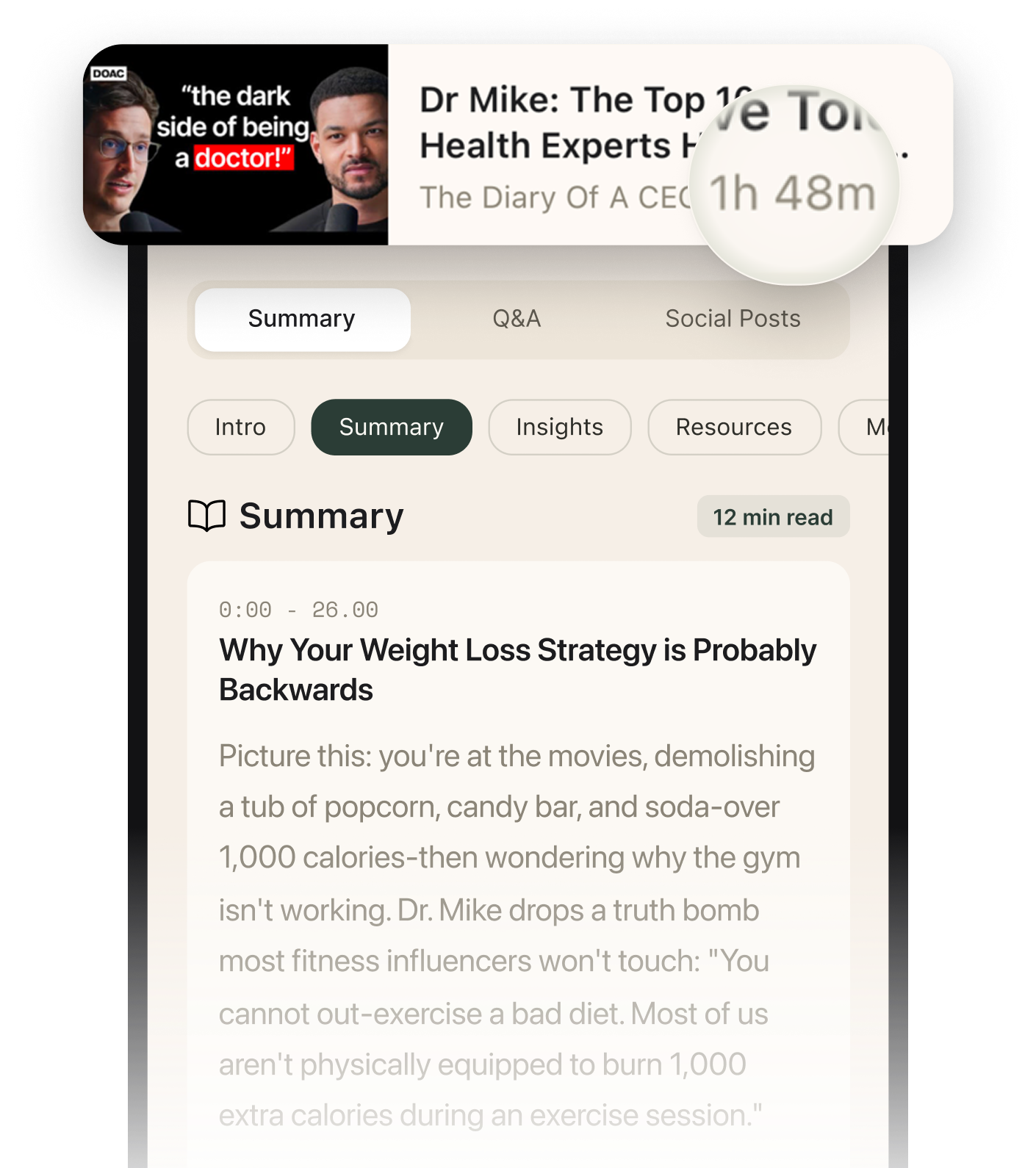
Summarised with Bite · 16 min read
Martin Fowler and Kent Beck reunite after 30 years of friendship to discuss their evolving relationship with AI coding tools, the stubborn persistence of bad software practices, and why the next generation — not them — will define what programming becomes when everyone grows up with LLMs.
0:11 – 5:06
The Finger That Changed Software Meetings
In 1994, a room full of software luminaries couldn't stop talking over each other. Martin Fowler, the self-described "only person in the room nobody had heard of," raised one finger. Nobody noticed. He kept it raised. Eventually someone asked what he wanted to say — and his comment was wise enough that people paused. By the next morning, other attendees were raising their own fingers, and interruptions evaporated. This wasn't just good manners. It became a template Fowler uses to this day. At Thoughtworks' quarterly Radar meetings (where 20 people debate which technologies to endorse), attendees hold up yellow cards to speak, a facilitator queues them, and everyone gets heard. When Zoom arrived, Fowler pushed for a hand-raise feature — and Zoom eventually added it. The trick works because raising your hand and then lowering it creates a "sense of loss," Beck notes. People think, "What was Martin going to say?" and suddenly the floor is yours. The anti-pattern is obvious: ego-driven cross-talk where the loudest voice wins. The corrective is patience encoded as gesture. Fowler admits he has a "loud booming voice" but chooses not to use it — a form of power held in reserve. Beck saw this as social engineering genius, and it stuck with him for decades.
5 more sections in the app
- 5:06 – 15:51The Genie Is a Slot Machine
- 15:51 – 23:00Agile at Scale Is Still a Trap
- 23:00 – 30:20The Next Leaders Are Already Here (You Just Don't See Them Yet)
- 30:20 – 42:00Why You Can't Trust the Genie (and What to Do About It)
- 50:10 – 53:45The Gaps Between Features Are Where You Become Good
Summarised by Bite, an AI YouTube video summarizer that also works as a podcast summarizer.