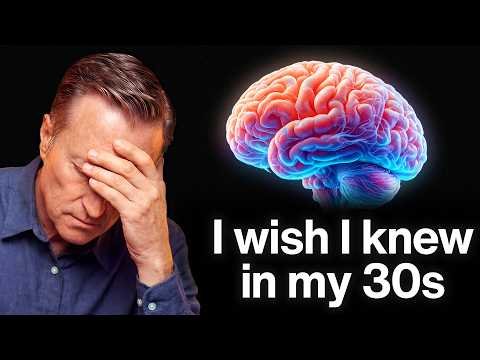
Dr. Eric Berg DC
STOP Dementia Before It Starts (31 Proven Tips)
Summarised with Bite · 12 min read
This video is a rapid-fire dementia prevention guide built around one big claim: many cases are not inevitable, and everyday choices like lowering insulin resistance, correcting nutrient deficiencies, protecting sleep, and staying physically and socially active may dramatically reduce risk. The speaker’s surprising angle is that dementia is not just about the brain, it is also about the liver, gut, gums, hormones, air, and metabolism, which means prevention starts much earlier than most people think.
0:00 – 5:43
The hidden setup for dementia starts long before memory loss
Right out of the gate, the speaker throws down a challenge: if people say “40% of dementia can be prevented with lifestyle changes,” why assume the other 60% is untouchable? That question shapes the whole video. Instead of treating dementia like a sudden brain tragedy that appears late in life, he frames it as the end result of many smaller breakdowns, memory loss, language problems, personality changes, and trouble solving problems, accumulating over time. His first unexpected target is aging hormones. He focuses on luteinizing hormone, a pituitary signal that keeps pushing the ovaries or testicles to produce sex hormones. As people age, those organs respond less, so the signal keeps rising “way, way, way too high.” His point is not just endocrine trivia. It is that the aging brain may be exposed to hormonal chaos, not just wear and tear. He pairs that with low testosterone and low progesterone, saying both matter for brain protection, and names ashwagandha, magnesium, and zinc as ways to lower luteinizing hormone. Then he pivots to a much more grounded issue: digestion. Betaine hydrochloride, he explains, is often used for low stomach acid, and low stomach acid becomes more common with age. Why does that matter for dementia? Because poor stomach acid means worse mineral absorption, worse protein digestion, and less ability to pull B12 out of food. That creates a dangerous overlap: a B12 deficiency can look like dementia. He returns to that point later and even adds a personal note, saying he himself has to pay close attention to B12 intake. The larger pattern emerges here. He is arguing that some “brain disease” symptoms may actually be downstream consequences of fixable body problems. Depression enters the list for the same reason, because mood disorders alter brain function and may raise risk, while vitamin D3 is presented as one of the first things to look at. The result is a broader view of prevention: do not wait for memory problems. Start by protecting the systems that quietly feed, repair, and stabilize the brain.
3 more sections in the app
- 5:43 – 7:50The brain is only as healthy as the body systems supporting it
- 7:50 – 13:36Movement, challenge, and connection keep the brain from going quiet
- 12:02 – 16:43The strongest thread in the video is metabolic health
Summarised by Bite, an AI YouTube video summarizer that also works as a podcast summarizer.