PensionCraft
SpaceX IPO: The Hidden Risk for Passive Investors
Summarised with Bite · 13 min read
This video argues that the real SpaceX IPO story is not just whether the stock is expensive, but that index rules were loosened so passive funds may be forced to buy it almost immediately. For ordinary investors, the near term portfolio impact is small, but the bigger risk is a precedent: more giant, founder-controlled, lossmaking private companies could enter major indexes faster and with weaker safeguards.
0:00 – 2:40
The rules moved first, and that is the real headline
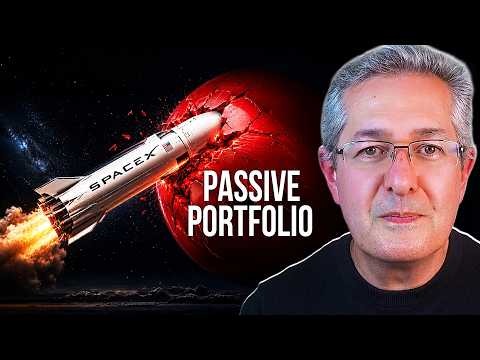
Right at the start, the speaker frames the surprise clearly: this is the first year the rules behind index funds were rewritten so a single lossmaking company could get in early, and that company is SpaceX. The striking claim is not merely that SpaceX may list at around $1.75 trillion to $2 trillion, but that the gatekeepers changed the gate. That matters because passive investors do not get to debate whether the stock is overpriced. If the company qualifies, the fund buys. Historically, the NASDAQ 100 made new listings wait through a seasoning period of roughly 3 months to a year. That delay had a simple purpose: let the IPO excitement cool off before index funds were compelled to purchase. The logic is intuitive. Newly listed companies are often sold at optimistic prices, then fall after the first burst of hype. By shortening the waiting period to about 15 trading days for a company big enough, NASDAQ removes much of that buffer, and SpaceX is easily large enough to qualify. The speaker then widens the lens. S&P Dow Jones Indices has proposed three changes for mega caps: cut the waiting period from 12 months to 6, waive the free float requirement, and drop the profitability test. Those details matter because SpaceX floats only about 5% of itself and lost roughly $5 billion last year. Under the older framework, those traits would have kept it out. Under the proposed framework, they do not. The speaker's sharpest line is that the rules changed to fit SpaceX, not SpaceX that changed to qualify. That creates the video's central curiosity gap: if indexes are supposed to mirror the market, what happens when the mirror is reshaped around one company? The timeline makes the answer concrete. NASDAQ 100 inclusion could happen within weeks, the S&P 500 around June or July, MSCI in August, and FTSE Russell soon after listing because it also adopted a fast-entry rule. By year end, the speaker says, SpaceX is likely to sit inside almost every passive portfolio on Earth. So the story is not really about one flashy IPO. It is about how passive money gets routed when index rulebooks become more accommodating.
3 more sections in the app
- 3:11 – 6:19What you would actually be buying is three companies tied together
- 6:49 – 10:58The exit door for early backers becomes the entry door for passive investors
- 10:58 – 15:11The bigger issue is not SpaceX alone, it is the pipeline behind it
Summarised by Bite, an AI YouTube video summarizer that also works as a podcast summarizer.