Aperture
Society Is Stuck on the Lowest Level of Thinking
Summarised with Bite · 11 min read
This video uses Bloom's taxonomy, a six-level model of learning, as a diagnosis of modern society. Its core claim is unsettling but useful: most people mistake repeating information for thinking, and until they learn to climb from memorizing to analyzing, judging, creating, and even examining their own minds, they remain easy prey for algorithms, tribes, and emotion.
0:00 – 7:16
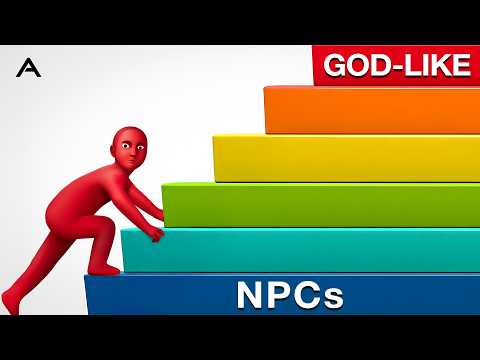
The Pyramid Most People Never Realize They Are Standing On
The video opens with a striking image: civilization built on pyramids, not just the Egyptian kind, but invisible hierarchies of thought. That image matters because it turns an educational theory into a social diagnosis. The speaker introduces Benjamin Bloom's 1956 taxonomy as more than a classroom tool. It becomes a map of human cognition, one that starts with remembering and rises through understanding, application, analysis, evaluation, and finally creation. The unsettling twist is that modern society is crowded at the bottom. Remembering is just repeating information verbatim. Understanding is being able to explain it in your own words. Application means using it in simple situations. But analysis, evaluation, and creation are rarer because they demand more than recall. They require the mind to break ideas apart, choose among competing values, and build something new. The speaker's metaphor is memorable: many people think they are driving simply because information is moving through them, when in reality they are riding shotgun and confusing motion for control. From there, the video turns sharply toward the internet. Online discourse is described as the natural habitat of level one thinking, a world of slogans, sound bites, TikTok commentary, and inherited opinions. The point is not that everyone online is unintelligent. It is that the environment rewards parroting. You can scroll for 10 minutes and see 50 people delivering the same hot take in slightly different words. Truth spreads slowly because it asks more of the audience. Falsehood only needs volume. Level two is more deceptive because it looks like insight. A person can define inflation, crime, addiction, or inequality, and still have no idea how to test the claim, what assumptions sit beneath it, or what competing explanation might be stronger. That creates the video's first major warning. The most dangerous trap is not ignorance. It is the illusion of comprehension. People who know they are uninformed can still learn. People who think they already understand often get stuck permanently. The speaker frames the modern condition in one sentence that carries the whole argument: we are drowning in information but starving for insight. What should have been the starting point for thought has become the entire destination.
2 more sections in the app
- 7:48 – 17:52Why the Modern Mind Keeps Sliding Back Down
- 18:11 – 31:44Climbing Above Imitation, and the Extra Level Above the Pyramid
Summarised by Bite, an AI YouTube video summarizer that also works as a podcast summarizer.