GOTO Conferences
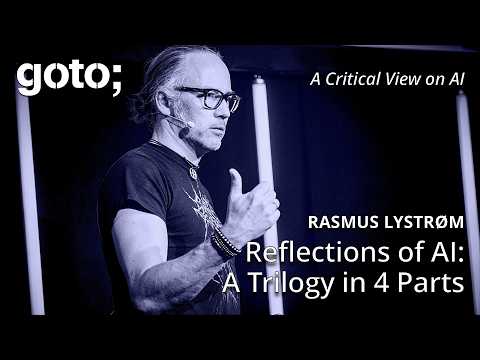
Reflections of AI: A Trilogy in 4 Parts • Rasmus Lystrøm • GOTO 2025
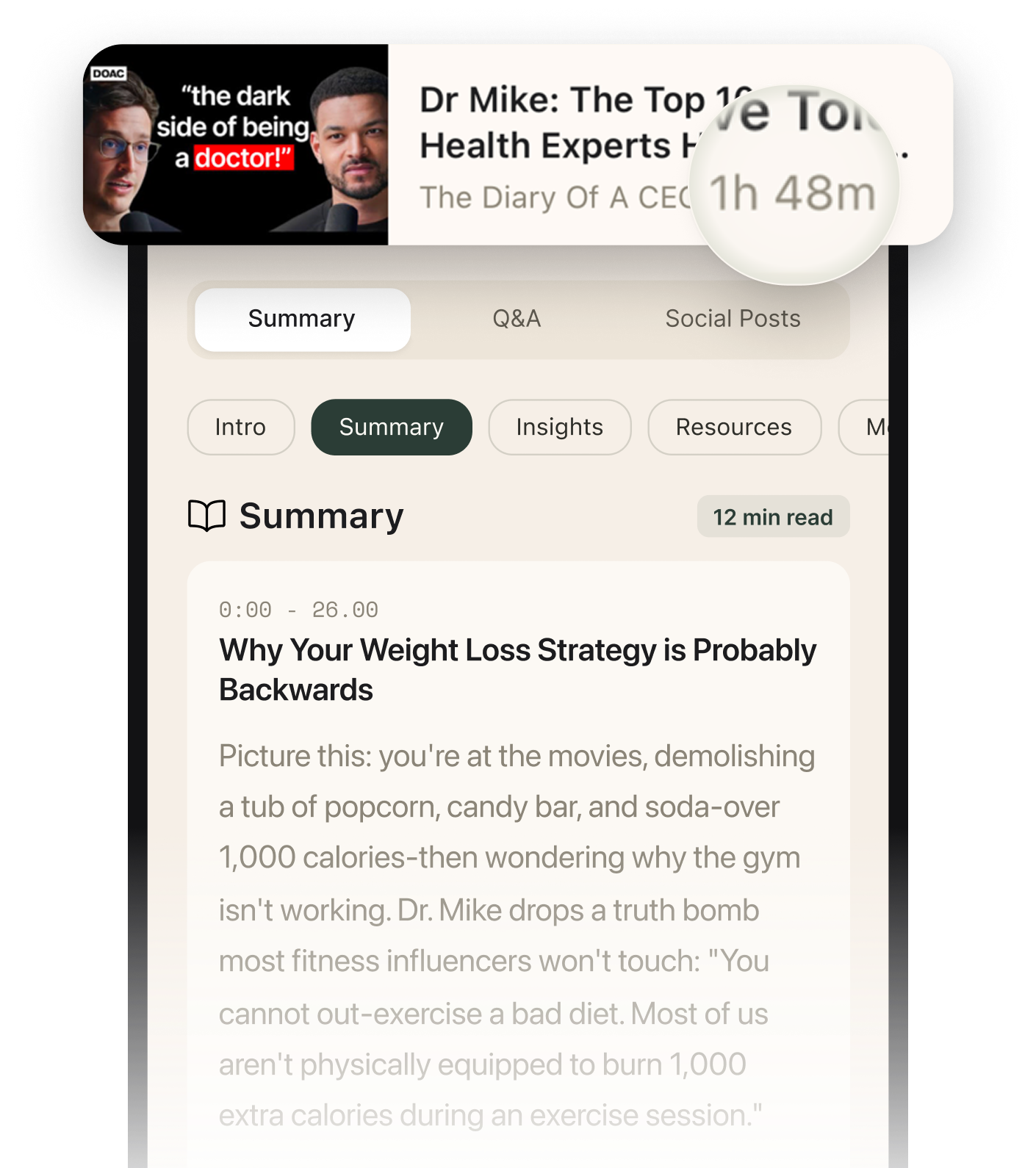
Summarised with Bite · 9 min read
A Danish software developer dismantles the AI hype by presenting real research: generative AI delivers 1-4% productivity gains (not 55%), increases code churn by 3,600%, and makes developers measurably less intelligent. The talk argues we're burning nuclear reactor-levels of energy to automate the wrong problems—meetings and broken processes—while ignoring what users actually need.
0:12 – 9:06
The Emperor's New Clothes: When Productivity Studies Are Paid Advertisements
Rasmus opens with a Copenhagen bookstore memory—stumbling on "The Hitchhiker's Guide to the Galaxy," subtitled "A Trilogy in Four Parts." The book's paranoid android Marvin, who learned nothing after billions of years, becomes his metaphor for AI. Douglas Adams feared technology; Rasmus fears we're repeating his satire. He starts with the famous study claiming AI pair programmers make developers 55.8% faster. That decimal precision? Designed to sound scientific. The real problem: the vendor paid for the research. When BlueOptimum ran an independent study, they found 4% productivity gains—and only from moderate users. Heavy AI users performed worse. Only 1% of AI-generated code reached production without major rework. Then came the University of Copenhagen and Chicago study measuring actual labor market effects. Result: zero significant impact on earnings or hours worked across any occupation. Users self-reported saving 2.8% of work time—100 seconds per hour. When reasoning models arrived (the supposed next leap), they performed worse on low-complexity tasks because they overthought simple problems. High-complexity tasks? Complete collapse. Even GitHub's new AI agent, marketed as revolutionary, only works on "well-tested codebases"—meaning if you've already eliminated all technical debt, written exhaustive tests, and documented everything perfectly, it might save you 30 minutes. Rasmus pauses: "Writing code was never the productivity problem." The real bottleneck? Meetings. Broken processes. Lack of trust between teams.
4 more sections in the app
- 9:06 – 18:46Work Slop: How AI-Generated Content Destroys Team Intelligence
- 18:46 – 21:46The Environmental Cost of a 100-Word Email
- 21:46 – 23:38Useful AI: When Machine Learning Actually Works
- 23:38 – 30:56Stop Chasing Technology, Start Chasing Outcomes
Summarised by Bite, an AI YouTube video summarizer that also works as a podcast summarizer.