Theo - t3․gg
Never mind (OpenAI won again)
Summarised with Bite · 12 min read
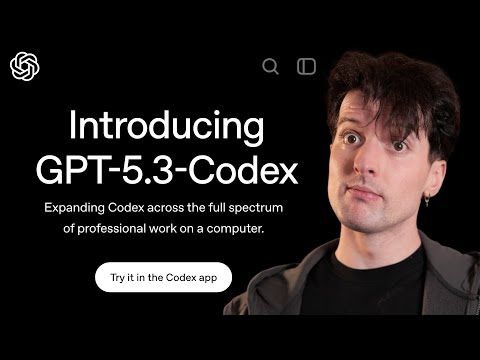
OpenAI's Codex 5.3 just became the best AI coding model available—not through a massive leap, but through hundreds of small improvements that make it feel like working with a thoughtful colleague rather than a tool that dumps code and disappears. After three weeks of secret early access, one developer reveals why this model finally closed the gap with Claude's superior user experience while maintaining OpenAI's technical edge.
0:00 – 6:00
The Model That Talks While It Works
For weeks, the creator had been hiding something bigger than early access to OpenAI's new Codex app. He'd been using Codex 5.3 for nearly everything he built, and the difference wasn't just about raw intelligence—it was about conversation. When he showed the model an error from running a dev command, 5.3 did something previous versions rarely did: it explained itself in real-time. "I found the exact failure path," it said, identifying that index.ts was calling the wrong format. Then it ran a command to find related files, explored them, explained what it discovered, and outlined its next steps before executing them. This back-and-forth rhythm—do some work, explain the findings, propose next steps, execute—was exactly what users had been getting from Claude's Opus model but never from OpenAI's technically superior Codex. The contrast becomes visceral when you watch both models side by side. Running the same codebase audit prompt, Codex 5.2 immediately dove into exploration mode, touching file after file with zero explanation. Six minutes passed with nothing but tool calls—no context, no reasoning, just silent file exploration. Meanwhile, 5.3 started generating explanatory text within seconds, keeping the user informed about what it found and why it mattered. By the time 5.2 finally produced its first line of output, 5.3 had already completed a comprehensive audit with detailed findings ranked by severity. The speed difference was real—OpenAI claims 25% faster—but the perceived speed was even more dramatic because users weren't staring at a black box wondering if the model had gone rogue.
4 more sections in the app
- 11:00 – 14:00The Impossible Migration That Worked
- 28:54 – 33:00When the Model Debugs Itself
- 25:00 – 31:00How Codex Trained Itself
- 39:00 – 44:00The Problems OpenAI Won't Talk About
Summarised by Bite, an AI YouTube video summarizer that also works as a podcast summarizer.