Marques Brownlee
My Take on The New Apple
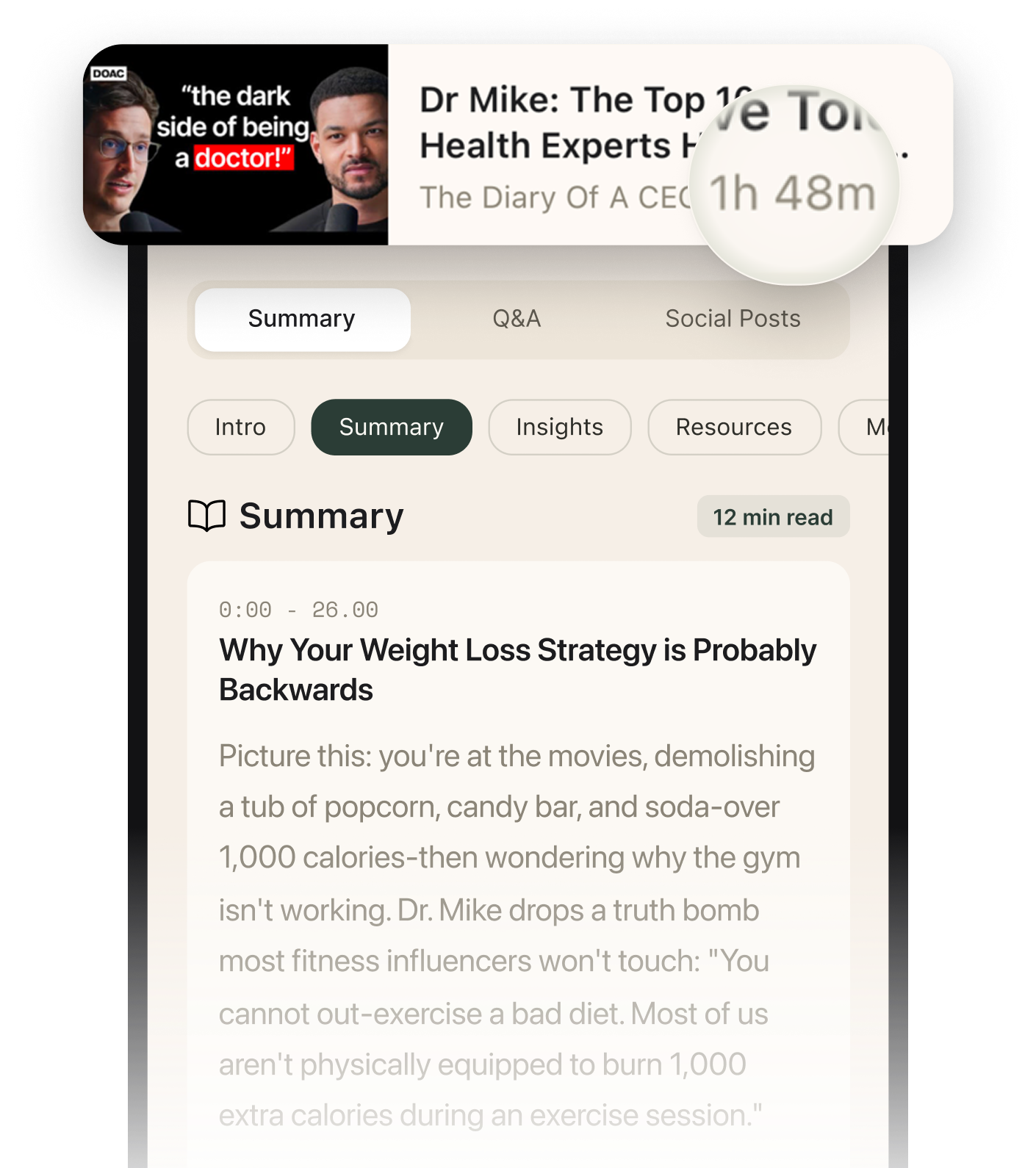
Summarised with Bite · 9 min read
Apple's CEO transition from Tim Cook to John Ternus marks a shift from business-first leadership back to product-focused leadership. With multiple high-level executives retiring simultaneously and hardware engineering taking center stage, Apple appears poised to take bigger swings on innovative products rather than playing it safe with incremental updates and services revenue.
0:02 – 2:49
The Coordinated Handoff Nobody Saw Coming
Tim Cook stepping down wasn't just one executive retiring. It was the last domino in what looks like an orchestrated succession plan involving dozens of Apple's top leaders. Over the past few months, a wave of 65-year-old C-suite executives retired nearly simultaneously, handing control to a younger generation inside the company. Cook, also 65, became the final piece in this carefully choreographed transition. This wasn't random churn. When you see that many senior leaders exit in sync, especially at a company as methodical as Apple, it signals intentional planning. The old guard built Apple into a $4 trillion company through supply chain mastery and services expansion. Now they're clearing the deck for leaders who grew up inside the company's product divisions, not its boardrooms. John Ternus, the incoming CEO, comes from Senior Vice President of Hardware Engineering. His replacement leading hardware will be Johny Srouji, the executive who appears in every Apple keynote demonstrating their custom silicon chips. Meanwhile, Cook won't disappear. He'll slide into the classic retirement role as Chairman of the Board, maintaining influence without daily operational control. This pattern repeats across the company's leadership chart.
4 more sections in the app
- 2:49 – 4:42Why Tim Cook Was Never a Product Guy
- 4:42 – 7:23The Return of the Product Guy
- 8:05 – 9:29Apple's Fear of Failure Problem
- 9:29 – 10:32What Comes Next
Summarised by Bite, an AI YouTube video summarizer that also works as a podcast summarizer.