Greg Isenberg
Marketing Agents Masterclass (GROW your startup)
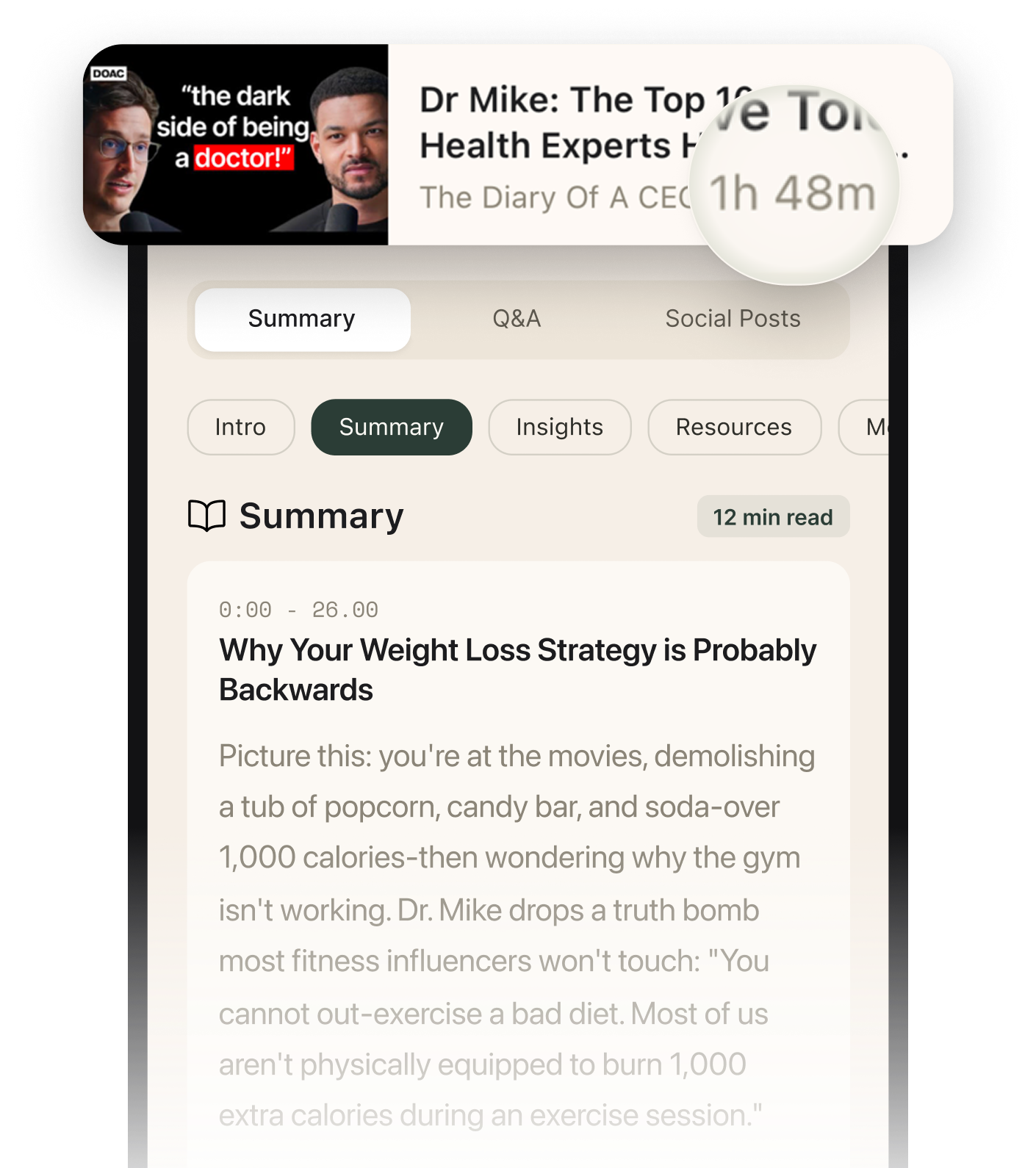
Summarised with Bite · 12 min read
Cody Schneider lays out two concrete marketing-agent systems for startups: one that turns LinkedIn engagement into cold outbound leads, and another that turns team conversations into scalable organic content. The big idea is surprisingly simple: stop treating agents like magic, and start treating them like software that automates a proven human workflow, cheaply, repeatedly, and with real market signals baked in.
0:00 – 15:34
Turning LinkedIn engagement into a hand-raiser lead engine
The episode opens with a bold claim: marketing agents are the new coding agents, because instead of generating software on demand, they can generate customers on autopilot. Cody immediately grounds that claim in a very specific workflow. He is not talking about vague AI-powered growth. He is talking about watching LinkedIn posts inside your niche, pulling the people who liked or commented, and treating those engagements as buying signals. That framing matters because he says cold email is getting "decimated." Reply rates are down, every channel is more crowded, and AI slop is flooding the zone. So the old playbook of blasting lists based on firmographics is weaker. His unexpected angle is that the best outbound list is no longer "all heads of marketing at Series A SaaS companies." It is people who just publicly interacted with content that your target customer would care about. A like becomes a hand raise. He demonstrates how he would manually start: find 10 to 20 creators or company accounts in the category, not hundreds. His reasoning is an 80 20 one. In any niche, a handful of outliers capture most of the engagement, so monitoring those gives you most of the market surface area without drowning in noise. He compares this to ad creative research, where tracking a small set of strong human creators gives better signal than trying to scrape everything. From there, he introduces Ampify as the data pipe. In plain English, it is the scraping layer that lets code pull LinkedIn posts, comments, and reactions into the system. He shows the flow as software, not wizardry: extract new posts daily from chosen profiles, pull everyone who engaged, dedupe the list, and now you have LinkedIn profile URLs for warm-ish prospects. That is the first job to be done. When Greg asks what makes this an agent instead of regular automation, Cody gives the core philosophy of the episode. An agent is just software doing a job, sometimes with a thinking loop on top. In this case the job is finding leads, checking whether they fit your customer profile, then reaching out and managing replies. He keeps pushing against the hype. Do not put "God in a box" and let it randomly run your whole marketing stack. Build the same process a sharp human would run, then automate that process in code. That leads to one of his strongest economic points. He argues you should not be paying Anthropic or ChatGPT tokens every time an API call needs to happen. You should use the model to help create the software, then let cheap compute do the repetitive work. In his words, "only use inference when you need it." It is a very startup founder way of thinking about agents: not as magical employees, but as cost-efficient systems built around clear workflows.
2 more sections in the app
- 15:34 – 31:41The outbound stack: enrichment, inbox infrastructure, and the SDR in a box
- 31:41 – 43:31The second agent: turning conversations into organic content at scale