TED
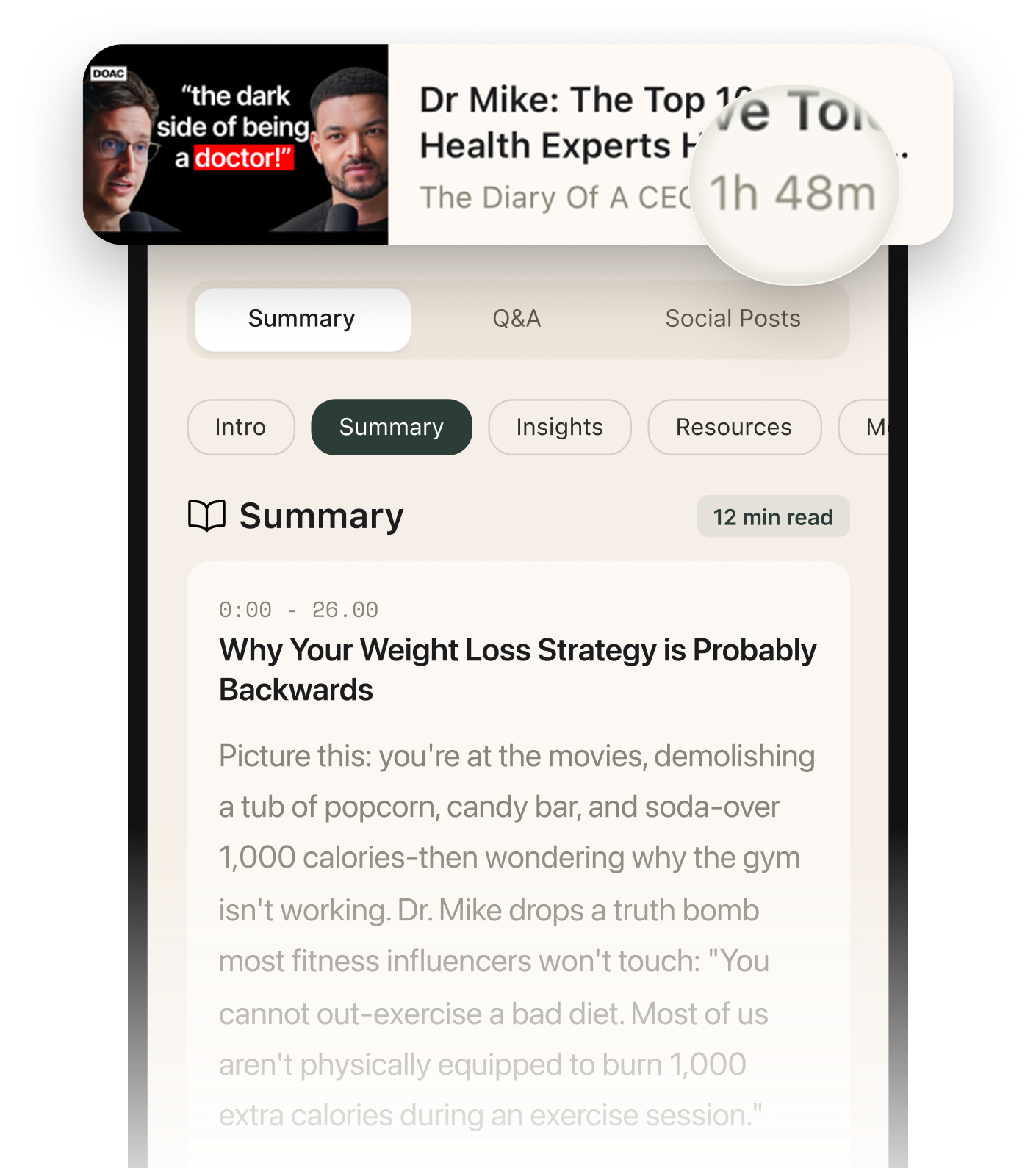
Listening to shame | Brené Brown | TED
Summarised with Bite · 11 min read
Brené Brown takes a painfully personal moment, the morning after her first TEDx talk, and turns it into a bigger argument about why vulnerability is not weakness but the core of courage, creativity, and change. Then she goes somewhere even more uncomfortable, into shame, showing how it quietly shapes failure, ambition, gender expectations, and our relationships, and why empathy is the only thing that reliably breaks its grip.
0:14 – 6:28
When going viral forced her out from hiding
She begins with a scene that feels almost comic until you realize how exposed she felt. The morning after her TEDxHouston talk, she says she woke up with “the worst vulnerability hangover of my life” and did not leave her house for about three days. When she finally met a friend for lunch, the friend took one look and said, “God, you look like hell.” Brown’s answer was basically, of course I do, I just told 500 people that I became a researcher to avoid vulnerability, then admitted onstage that discovering vulnerability in her own data led to a breakdown. Her panic was not abstract. She was already thinking like someone trying to erase a disastrous voicemail from an ex-boyfriend’s answering machine. Could she somehow stop the video from getting to YouTube before too many people saw it? That little story sets up the bigger confession. She told her friend, “If 500 turns into 1,000 or 2,000, my life is over.” Instead, it turned into four million, and in her words, “my life did end when that happened.” The surprising part is not fame. It is what fame revealed. She realized there was a part of her that genuinely wanted her work in the world, and another part “working very hard to engineer staying small, staying right under the radar.” That is the unexpected angle of the whole talk. The real obstacle was not lack of opportunity, it was the quiet self-protection that keeps people from being seen. From there she lands on her first lesson: vulnerability is not weakness. She asks the audience how many people instinctively equate the two, and most hands go up. Then she flips it by asking what they felt when they saw vulnerability on the TED stage that week. Courage. Her definition is simple and memorable: vulnerability is “emotional risk, exposure, uncertainty.” In other words, the feeling you get right before you matter. After her TED talk blew up, companies invited her to speak, but often with one absurd request: “We’d appreciate it if you wouldn’t mention vulnerability or shame.” What did they want instead? Innovation, creativity, and change. Brown’s answer is the hinge of the talk: “vulnerability is the birthplace of innovation, creativity and change.” Making something that has never existed before is inherently vulnerable. Adapting to change is too. The thing people want most is built on the thing they most want to avoid.
2 more sections in the app
- 6:28 – 13:49Why she had to go back to shame
- 13:49 – 20:05The two tapes of shame, and the one antidote that works
Summarised by Bite, an AI YouTube video summarizer that also works as a podcast summarizer.