The Diary Of A CEO Clips
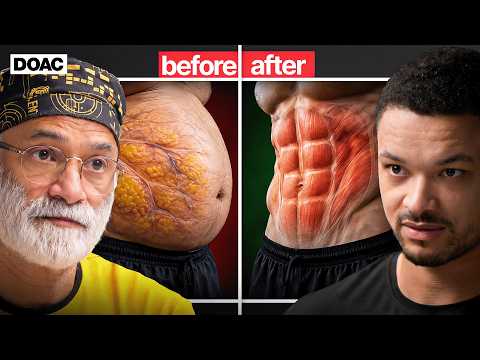
If YOU Have Belly Fat, You NEED To See This
Summarised with Bite · 9 min read
A heart surgeon with 35 years of experience explains why belly fat is not just a cosmetic issue, but often a visible sign of a deeper metabolic problem that can lead to heart attacks even in young adults. The core warning is surprising: many people develop dangerous heart disease years before they are officially labeled diabetic, because high insulin, not just high blood sugar, is quietly driving inflammation, clotting, fatty liver, and visceral fat.
0:00 – 5:45
The 28-Year-Old Heart Attack That Should Not Have Happened
A 28-year-old arrives in the middle of a full-blown heart attack. One artery is completely blocked, there is no blood flow past it, his blood pressure is low, he is sweating, and he has acute chest pain. The surgeon rushes him into the cath lab, threads a catheter into the coronary artery, opens the blockage, and places a stent to restore blood flow. It sounds like a rare medical drama, but the unsettling point is that it is no longer rare enough. After treating more than 30,000 hearts over about 35 years, he says the patient mix has changed: what used to be mostly people over 65 is now split roughly 50-50 between people under 65 and over 65. Then he overturns the usual picture people carry in their heads. Most people imagine a heart attack happens because an artery slowly gets more and more clogged until it finally shuts. He says that is not the usual story. A plaque, which he describes as a fibrous build-up inside the artery, can sit there causing little or no warning. In fact, he says only 20% of patients with a blockage like that actually get chest pain. The real disaster comes when a smaller plaque cracks. Once that crack appears, the blood tries to repair it, forms a clot on top of it, and that clot is what abruptly seals the artery. The plaque starts the problem, but the blood clot finishes it. His analogy makes the process memorable: a plaque is like a pimple on the inside of the artery. If the whole body is inflamed enough, that pimple can break open, and the body responds in exactly the wrong way for the heart. A clot forms, circulation stops, and a heart attack begins. That means three different failures are happening at once: plaque is forming, plaque is becoming unstable enough to rupture, and the blood is more ready to clot. He calls it a perfect storm. The unexpected angle is that modern treatment often arrives at the very end of the story. A stent can reopen the artery, but it does not answer the more important question: why did the plaque form, why did it rupture, and why was the blood so prone to clot in the first place? For him, real prevention starts there, by chasing the upstream causes rather than celebrating the downstream rescue.
2 more sections in the app
- 5:45 – 8:53Why Belly Fat Became the Clue That Changed His Practice
- 8:53 – 15:06The Real Mechanism: Frequent Carbs, High Insulin, and the Silent Decade Before Diabetes
Summarised by Bite, an AI YouTube video summarizer that also works as a podcast summarizer.