Linus Tech Tips
I Hate These...
Summarised with Bite · 10 min read
Linus opens with a nightmare every video team knows: dozens of SD cards holding priceless footage, all doomed to fail eventually, with almost no practical way to predict when. The video turns into a hands-on overhaul of the camera department, using that storage problem to justify a bigger fix, faster CFexpress media, 25 gig networking, better docks, and a room layout that saves both minutes and sanity.
0:00 – 5:44
The cheap card that becomes priceless
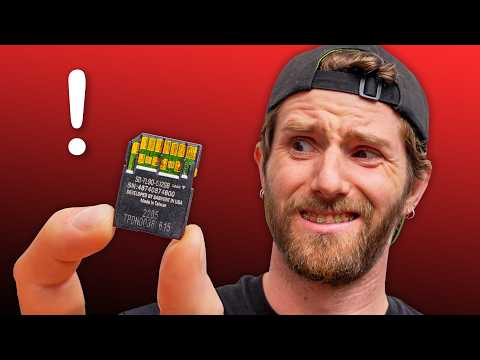
A wall full of SD cards becomes the villain immediately. Linus points at it and says every card on that wall is going to die, and the brutal part is not knowing when. That lands because an empty SD card is cheap, almost disposable, but once it holds hours of footage it suddenly contains the value of every shoot day, every person on set, and every edit that depends on it. Losing one is not like losing a gadget, it is like losing time that cannot be bought back. He explains how the industry got stuck here. Premium cameras once used CompactFlash, which was faster and more reliable, but it cost more. Consumers, he argues, will gladly spend on the camera body and then resist spending on storage, so SD won the format war for the worst possible reason: not because it was best, but because it was cheap enough. There is a bitter irony in the current state of health monitoring too. One way to assess an SD card’s condition is to write a lot of data to it, which Linus compares to testing someone’s lungs by making them smoke a carton of cigarettes. SD Express can support smarter health tracking, including metrics like power on time and total writes, but he says nobody has actually implemented it in a useful way. That leads to the practical question: should they just throw cards out every few years? Online wisdom says yes, treat them as consumables. But with the sheer number of cards in their production pipeline, that feels wasteful and expensive. So the conversation shifts to CFexpress, already becoming standard for filmmakers. Linus admits they delayed the switch because the cards were expensive and because changing media means changing everything around it, readers, docks, network paths, and ingest workflow. Then the camera room tour reveals a second problem hiding behind the first. The storage format is only one part of the pain. The room itself is a fossil bed of old decisions: handwritten labels, duplicate spots for multiple Seans, tape-on solutions, battered headphones, ingest machines that no longer match the team’s old higher-end workstations, and even dormant fiber infrastructure nobody fully understands anymore. What starts as “we hate SD cards” becomes something more interesting: the media problem is actually exposing an operations problem. The real cost is not just unreliable storage, it is a whole workflow built around waiting, workarounds, and institutional memory that keeps getting lost.
2 more sections in the app
- 5:44 – 16:46Rebuilding ingest around speed, not improvisation
- 16:46 – 24:34The cards get faster, then the server becomes the new bottleneck