typecraft
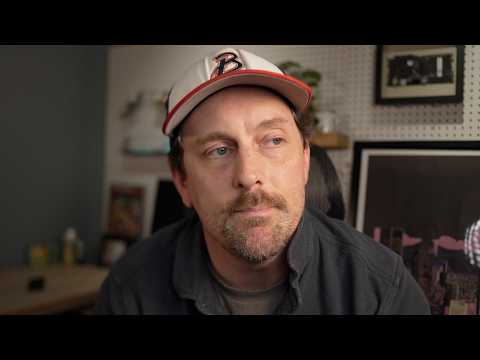
I almost quit youtube.... here's what happened
Summarised with Bite · 11 min read
This is a comeback story disguised as a channel update. Typcraft explains how years of nonstop work, a new baby, burnout, depression, AI-driven pressure at work, and then a layoff pushed him close to quitting YouTube, before conferences, community support, and a new role at PlanetScale helped him find his way back.
0:00 – 5:41
Five years to become an overnight success, then the wheels start to wobble
He opens with a confession: for months, the channel went quiet, and he did not even fully understand why. That uncertainty matters, because this is not framed as a dramatic single event. It is a slow unraveling. To explain it, he rewinds to why he ever made videos in the first place. For him, YouTube was never just a growth machine or a business tactic. It was a creative outlet. He describes himself as someone who has always loved computers, going all the way back to a Compaq Presario with a 128 MHz Pentium processor and 16 whole entire megabytes of RAM. That little detail turns his story from abstract career talk into something more human: this was a kid who fell in love with the machine itself, then later stumbled into software. He did not begin as a natural programmer. He says he got his first programming job around 28, in Ruby on Rails, and had to teach himself almost from scratch because the data structures and algorithms from college were long forgotten. So he learned the way many developers do, by obsessively rewatching people who felt like legends. He remembers replaying DHH's how to build a blog in 15 minutes video, trying to copy each command, and learning from Railscasts by Ryan Bates and books by why the lucky stiff. That origin story explains why teaching eventually felt meaningful to him. Making videos was his way of paying back a debt to the internet. Then comes the surprising part: Typcraft did not suddenly appear. He had been posting since 2017, and he flatly calls those early videos absolute garbage. There is still an unlisted live stream of him programming in React and chitchatting. The point is not self-deprecation. It is that success looked glamorous only in retrospect. The real story was five years of repetition until the 2024 series Neovim for Noobs finally clicked, the subscriber count crossed 10,000, and Typcraft became a real thing. By 2025 he was speaking at conferences, running workshops, and even got invited by DHH to do a workshop at RailsWorld. Outwardly, everything looked like momentum. But underneath that momentum was a brutal equation. Typcraft was never his full-time job. He was making videos, editing, designing thumbnails, being a husband and a dad to twins, while also holding a full-time job. Looking back, he estimates he was doing 60 to 80 hours a week for about a year and a half straight. The moment the story turns is not flashy. His third baby arrives, a beautiful young girl, and instead of slowing down, he is in the hospital room still sending edit notes, uploading videos, and managing course work. That image explains the whole problem better than any label could: even one of life's most sacred moments had become another place to keep the machine running.
2 more sections in the app
- 5:41 – 10:19The laptop stays shut, and the real problem finally shows itself
- 10:19 – 15:27Laid off, nearly done, then pulled back by people and a new path
Summarised by Bite, an AI YouTube video summarizer that also works as a podcast summarizer.