Wristlock Watches
How Watch Brands Get You to Pay $10,000 for a WATCH
Summarised with Bite · 9 min read
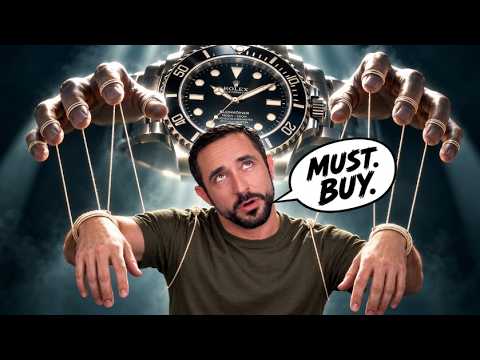
This video explains why a $10,000 watch is never just a piece of metal on your wrist. Isaac shows that luxury watch marketing works by shaping what the watch means to buyers, owners, future customers, and even people who will never purchase one, then proves it with examples from Patek, AP, Blancpain, Rolex, Moser, and a concrete Omega cost breakdown.
0:00 – 2:36
The ad is not selling a watch, it is teaching society what the watch means
The video opens like a job interview: congratulations, you are now the chief marketing officer of a high-end watch brand, and your task is to figure out how to get someone to spend $10,000 on a watch. That framing matters because it immediately shifts the question away from mechanics and into psychology. Isaac’s first big move is surprisingly simple: a watch ad is not aimed at one person, but four. It speaks to the current buyer, the existing owner, the future buyer who may not purchase for twenty years, and, most importantly, the person who will never buy the watch at all. That last audience is the strange one, and it is the key to the whole video. A status object becomes more useful as non-customers learn to interpret it. In other words, the waiter, the coworker, the client, or the stranger across the room are part of the product. If they know what your watch signals, the watch has social power. Isaac uses the famous Patek Philippe Generations ad to show how one image can do several jobs at once. It gives a prospect permission to spend, reassures an existing owner that the watch is permanent and part of the family, teaches a future buyer that Patek is a life milestone, and tells a non-buyer that Patek means family wealth and permanence. He points out that Patek built this deliberately after 1996 research found affluent prospects disliked celebrity-centered ads and wanted to imagine their own stories. From there, Isaac adds a second layer: ads also work after the sale. He compares this to car commercials, noting that automakers found people consumed more advertising for their vehicle after buying it than before. That sounds irrational until you remember how expensive purchases feel. People want reassurance. That is why watch buyers keep seeing celebrity sightings, auction results, waitlist stories, price increases, and collector praise. The point is not just to win the first sale. The point is to help the owner feel, again and again, that he chose correctly, because that is how you create a lifetime buyer.
2 more sections in the app
- 2:36 – 6:15Choosing the right customer, and how brands can get trapped by the image they build
- 6:15 – 12:00Luxury sells history, scarcity, and recognition, then hides the cost inside the machine
Summarised by Bite, an AI YouTube video summarizer that also works as a podcast summarizer.