Jeremy Ethier
How to Lose Every Type Of Stubborn Fat
Summarised with Bite · 12 min read
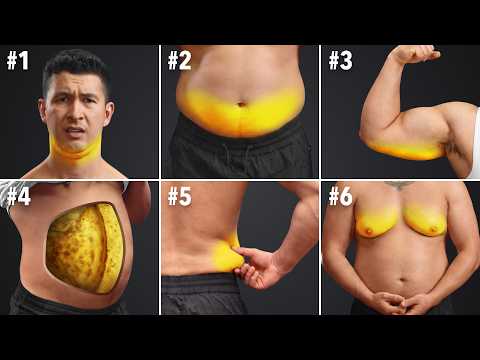
This video turns fat loss into a ranked map of stubbornness, starting with the dangerous fat you cannot easily see and ending with the lower belly, the area that usually refuses to leave until very low body fat levels. The useful part is not just the ranking, but the matching strategy for each area: what responds to food quality, what needs cardio, what needs calorie tracking, and where building muscle can make you look leaner before the fat is fully gone.
0:00 – 5:42
The hidden fat that leaves first, and the face that changes overnight
A guy looks relatively normal from the outside, then his scan reveals more than 1,000 g of visceral fat packed around his organs. That is the opening twist of the video: the easiest fat to lose is also the most dangerous to keep. Visceral fat sits deep in the belly, wrapped around the organs, and the speaker describes it as metabolically active, pumping out inflammatory molecules linked to heart disease, diabetes, and early death. The memorable comparison is Eric versus Brian. They look similar, but Eric carries 10 times more visceral fat. Then comes an even more surprising example, Andy, who is skinny almost everywhere, yet has a bigger, firmer gut and ends up carrying more visceral fat than anyone the speaker has measured. Why does that happen? The explanation is not just body weight, but where excess calories come from. Eric's pattern is a familiar one: tuna sandwich, pizza, burgers, bar food. The video argues that overeating, especially sugar and saturated fats like fatty meats, butter, and deep-fried foods, makes visceral storage more likely. Brian, despite also gaining weight over time, eats more cleanly, with less added sugar and more fats from avocados, fish, and nuts, so more of his surplus seems to go toward muscle or ordinary subcutaneous fat. Training matters too. The speaker cites 2023 research scoring exercises for visceral fat loss out of 100. Weights alone help the least. Weights plus steady-state cardio are more than twice as effective. The top performers are hard cardio options like HIIT, fast running, and hard cycling. The practical takeaway is simple: add 15 to 30 minutes of cardio after lifting, and once or twice a week push heart rate higher, but not stupidly high, as shown by Robin throwing up after 10 seconds. Then the video pivots to a very different kind of fast change: face fat. This section lands because the speaker shows his own face at 6 p.m. and then the next morning after a big salty bowl of soup. He looks puffier, but did not gain fat overnight. The culprit is water retention from sodium, especially from takeout and processed foods. Cut those back, and some facial puffiness can drop within 24 hours. After that quick fix, actual facial fat tends to come off early in a diet. The example is Matson, who felt genetically stuck with fuller cheeks and chin, yet saw a visible difference in just 30 days without counting calories. His rules were practical: eat more meals at home with whole foods, and stop drinking calories from bubble tea and lattes by switching to herbal teas, diet soda, and Americanos. The lesson is unexpected but useful: some of what people call face fat is really water, and the rest often responds faster than the belly.
2 more sections in the app
- 5:42 – 8:16Why the upper body often needs muscle first, not just more dieting
- 8:16 – 12:56Love handles, lower belly, and the brutal math of the last bit of fat