Mind Pump Show
How to Heal Your Body Dysmorphia (5 Strategies That Actually Work) | Mind Pump 2891
Summarised with Bite · 25 min read
This episode starts with a hard truth: body dysmorphia is wildly overrepresented in fitness, then moves into five practical ways to climb out of it without abandoning fitness entirely. From there, the show pivots into a second theme about modern physique culture, peptides, hormones, and real-world coaching calls that reveal the same deeper lesson: chasing control through your body often backfires, and sustainable health comes from better metrics, better guidance, and more honesty.
0:00 – 10:48
When fitness becomes the disease instead of the cure
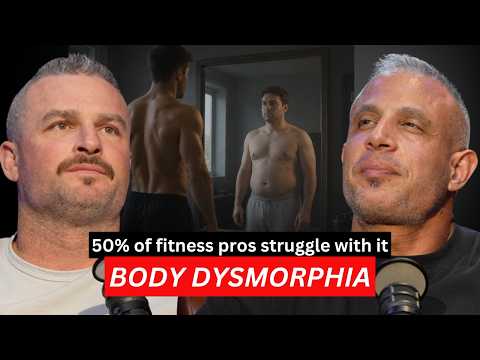
The episode opens with a stat that lands like a slap: over 50% of people in the fitness industry show symptoms of body dysmorphia, compared with just 1 to 2% in the general population. That gap is so absurd that the hosts immediately say it is probably underreported. In fitness, obsession can hide behind respectable words like discipline. Counting every calorie can look professional. Training constantly can look admirable. But the same behaviors can also be dysfunction wearing gym clothes. That tension becomes the real frame for the conversation. Fitness can help someone heal, but it can also become the perfect delivery system for making body dysmorphia worse. One host admits he struggled with it for most of his life, first through exercise as comfort from age 14, later through control. They walk through the familiar forms: anorexia, bulimia, orthorexia, and the bodybuilding version often called muscle dysmorphia or "bigorexia," where someone never feels big enough no matter how muscular they become. Their bigger point is that these labels sit on a spectrum. Many people never get diagnosed, but still lean in that direction. Then they widen the lens. In a media-saturated culture, it is hard not to come away with some distortion about your body. What used to be the occasional magazine cover is now hours a day of filtered, curated, perfected bodies in your pocket. They cite teens spending around five hours a day on social media and use a memorable analogy: if you spent five hours a day surrounded only by NBA players, even at 6 foot 4 you would start to feel small. Social media does that to body perception. A great historical comparison makes the distortion visible. They bring up Johnny Weissmuller, the Tarzan star from the 1930s, once considered an extraordinary physique. Looking at him now, the hosts joke that many modern viewers might think he just looks like a normal fit guy. That is the scary part. The standard did not simply rise, it got detached from reality. And when likes, comments, followers, and even careers reward that distortion, fitness stops being just a hobby and starts becoming an amplifier for insecurity.
7 more sections in the app
- 10:48 – 21:39Five ways to heal body dysmorphia without walking away from fitness
- 21:39 – 34:37Peptides, gray markets, and why the basics still crush the hype
- 34:37 – 42:56The hidden cost of easy weight loss
- 42:56 – 1:00:33Culture, cleanup, and a strange detour into patches and sponsorships
- 1:00:33 – 1:15:09A success story, and the trap of wanting your progress faster
- 1:15:09 – 1:27:07When the right advice still bounces off
- 1:27:07 – 2:06:38Rebuilding confidence after injury, and why sleep may matter more than more exercise
Summarised by Bite, an AI YouTube video summarizer that also works as a podcast summarizer.