TEDx Talks
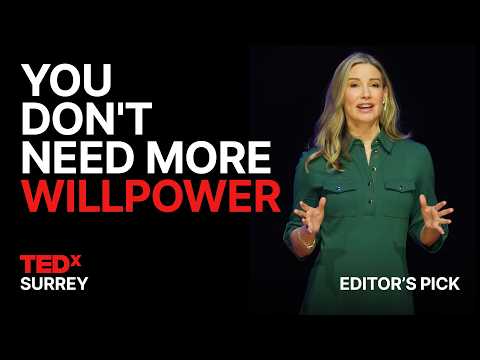
How to actually change your habits | Kim Foster | TEDxSurrey
Summarised with Bite · 12 min read
Kim Foster argues that lasting habit change is not mainly a willpower problem, it is an identity problem. Her core idea is simple and powerful: when your behavior matches who you believe you are, consistency stops feeling like a constant fight, and change finally starts to stick.
0:07 – 2:46
The blender, the frozen credit card, and the wrong question
A blender sits on the counter, a yoga mat is rolled out with optimism, and enough kale has been purchased to alarm the family. Then, two weeks later, the same person is avoiding the habit tracker and staring at the blender like it somehow caused the failure. Kim Foster opens with that painfully familiar scene to show how change usually feels: a burst of motivation, a pile of tactics, then a quiet slide back into the old routine. She makes it personal fast. At one point, her credit card literally lived in the freezer, trapped in a block of ice beside the frozen peas. It sounds clever until the night she wanted a pair of boots badly enough to melt the ice with a hair dryer. That image does more than get a laugh. It captures the whole problem with behavior-only solutions. She had already tried the classic tools, spreadsheets, envelopes, all the usual budgeting tricks. The issue was not lack of information. It was that none of it lasted. That leads to the first big turn in the talk. Instead of asking, "Why can't I stick with this?" she asks whether that is even the right question. As a doctor, she says patients rarely lacked instructions. They usually knew what to do. The struggle was doing it consistently enough for it to matter. So she began asking something deeper: what makes change stick? This is the part where the talk stops being about failed resolutions and starts becoming more unsettling. Maybe nothing is wrong with you. Maybe the reason your new routines collapse is not that you are lazy, weak, or undisciplined. Maybe you are trying to install new habits on top of an old self-story that keeps rejecting them. That shift, from blaming behavior to examining identity, is the hinge the rest of the talk swings on.
4 more sections in the app
- 2:46 – 5:55The tiny wording change that reveals the real engine of behavior
- 5:55 – 7:29Why the mind protects the familiar, even when the familiar is hurting you
- 7:29 – 10:36Leaving the doctor identity and becoming someone new on purpose
- 10:36 – 12:41Stop asking what to do, start asking who you are becoming
Summarised by Bite, an AI YouTube video summarizer that also works as a podcast summarizer.