How Money Works
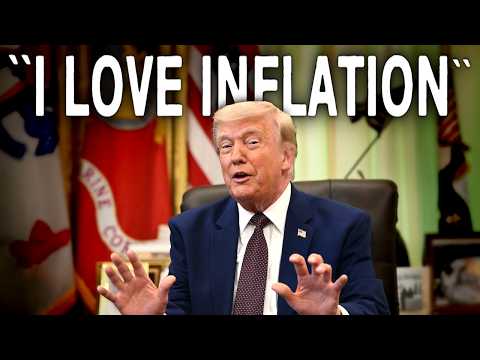
How Much Longer Can We "Hide" The Inflation?
Summarised with Bite · 16 min read
This video argues that headline inflation is still understating the real cost pressure building underneath the economy. The reason to care is that two temporary shock absorbers, corporate inventory stockpiles and the US strategic petroleum reserve, are running out, which could force a painful choice between higher prices, higher rates, a weaker dollar, or a weaker economy.
0:00 – 2:42
The inflation number looked bad, but the hidden pipeline looked worse
The video opens with a familiar but still jarring number: official CPI inflation rose to 4.2% year over year, the highest annualized rate since the post-Covid surge of 2022. That was already enough to confirm what households feel at the grocery store, the gas pump, and in rent payments. But the host quickly widens the frame and asks the more unsettling question: what if the official number is only the part that has already arrived? The warning sign is producer prices. Last month, the producer price index posted its largest single increase in the last decade, except for one month during the peak of post-pandemic inflation. That matters because PPI is basically the upstream version of inflation. It tracks what businesses are paying before those costs get passed on to everybody else. Fuel prices are a big reason. If diesel and jet fuel climb, the cost does not stay inside the transport sector. It spreads into food, consumer goods, air travel, freight, and any service that depends on moving people or parts. The host layers on several causes at once: fuel costs, tariff uncertainty, market consolidation, and a redirection of scarce materials and labor toward data center construction instead of ordinary service infrastructure. The underlying idea is simple. Businesses can absorb higher costs for a while, but eventually they either accept lower profits or pass the bill to consumers. And that choice is not really made in a boardroom forever. It gets made by how much pain customers can still tolerate. That is what puts the Fed in such an awkward position. In a textbook economy, higher inflation suggests higher interest rates. But this is not a textbook economy. The stock market has become one of the last visible supports holding up consumer confidence and spending, just as three giant IPOs are coming to market. So the host frames the real dilemma bluntly: the policy options increasingly look like sacrificing the American consumer, the American worker, or the American dollar. The deeper point is that inflation is no longer just about prices rising. It is about which part of the economic system will be forced to absorb the shock next.
4 more sections in the app
- 2:42 – 6:57The first shield was warehouses full of pre-tariff goods
- 8:39 – 11:53The second shield is oil in underground caves, and it is running low
- 12:23 – 14:30Data centers are soaking up the parts, labor, and power everyone else needs
- 14:30 – 21:43Why the Fed cannot fix this cleanly without breaking something else
Summarised by Bite, an AI YouTube video summarizer that also works as a podcast summarizer.