Veritasium
Forensic Science Is Not As Accurate As You Think
Summarised with Bite · 9 min read
Forensic science is often portrayed as a near-magical tool for solving crimes, but this video reveals its surprisingly unscientific foundations. From fingerprints to DNA, many common techniques are prone to human error and bias, leading to devastating wrongful convictions and challenging our trust in the justice system.
0:00 – 2:11
The First Forensic Detective and a Modern Reckoning
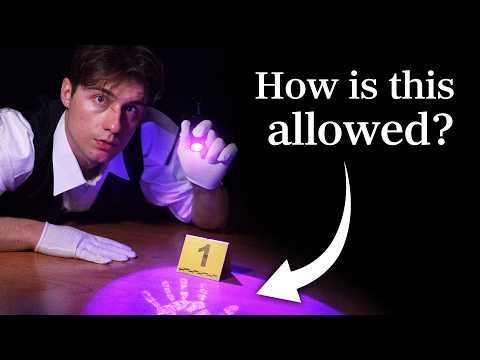
A man lies dead by a road, his back covered in oozing wounds. To find the killer, a local official in 13th-century China gathers all the village farmers and their sickles in the town square. As the sun heats up, flies begin to descend, swarming onto a single sickle. Its owner, exposed by the invisible traces of blood, confesses. This story, from the 1247 book "The Washing Away of Wrongs," is the first recorded use of an empirical approach to forensics. But while we've moved beyond flies, are our modern methods truly better? It's easy to assume so. Fingerprints are used in over 70% of murder investigations and DNA in over 90%. Yet headlines tell a different story: a man imprisoned for 28 years based on a hair sample that turned out to belong to a dog. In 2009, this anecdotal doubt was given terrifying weight. The National Academy of Sciences released a 350-page report declaring that, with the sole exception of nuclear DNA analysis, no other forensic method had been scientifically proven to consistently link evidence to a specific person. The report concluded some tests simply don't meet the fundamental requirements of science.
4 more sections in the app
- 2:11 – 5:38The Junk Drawer: Hair and Bite Marks
- 5:38 – 8:12The Flaw in Blood Spatter Physics
- 8:12 – 16:33The Human Factor in Fingerprints
- 16:33 – 21:52DNA's Double-Edged Sword
Summarised by Bite, an AI YouTube video summarizer that also works as a podcast summarizer.