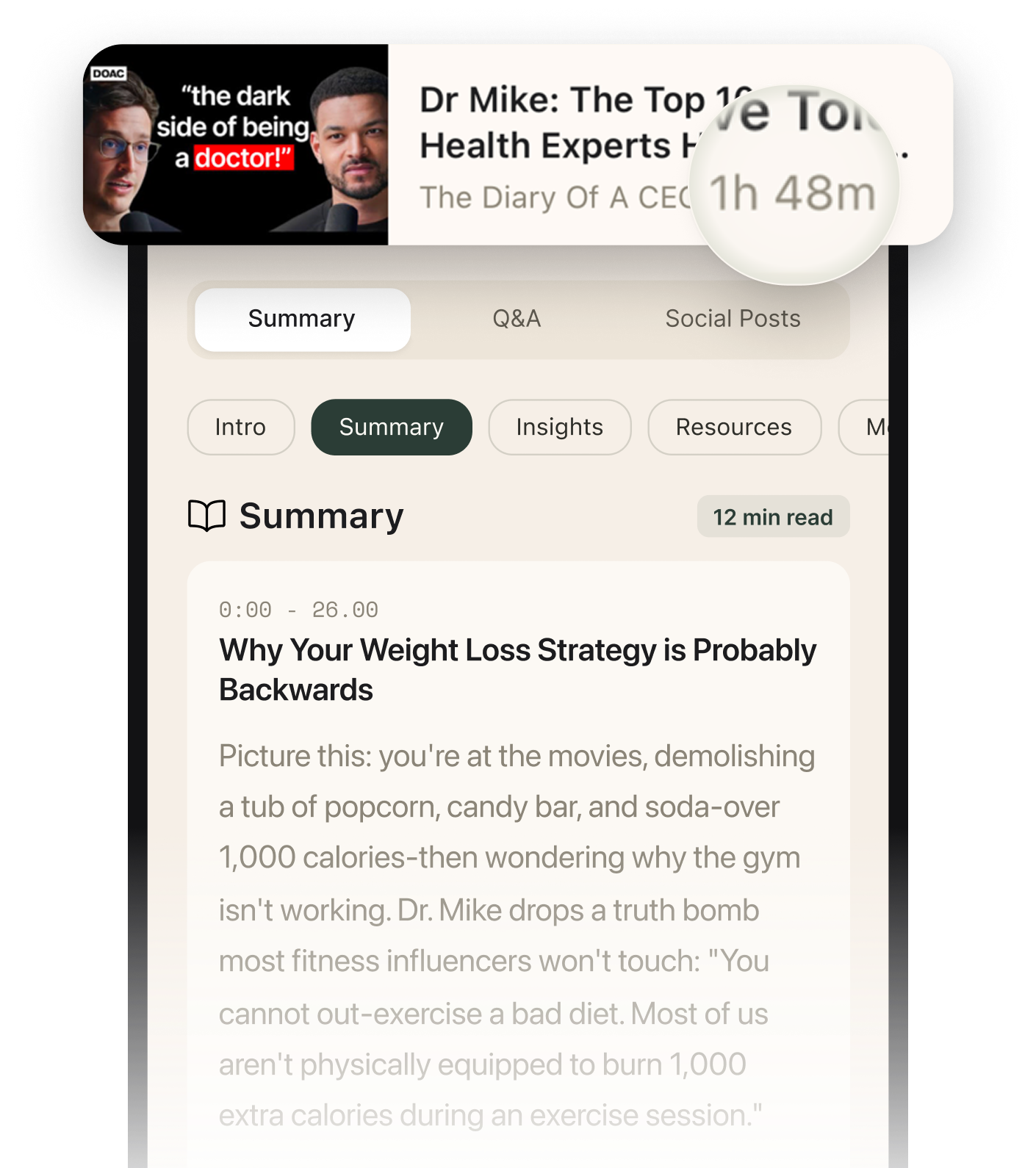
The Diary Of A CEO
Ex-Google Officer: You Only Have 3 Years Left Before It Hits! - Mo Gawdat
Summarised with Bite · 21 min read
Mo Gawdat argues that AI itself is not the villain. The real danger is what governments, militaries, and corporations will do with abundant intelligence before society catches up. His core claim is unsettling but memorable: the long-term future could be extraordinary, but the next few years may bring job shocks, autonomous warfare, political corruption, and a scramble to decide whether AI serves people or power.
0:00 – 8:20
From Google wonder to the fear of misuse
He starts in a dark place: video evidence of abuse, no accountability, and a blunt conclusion that what we call democracy no longer feels real. That opening matters because it frames everything that follows. His fear is not that AI wakes up evil one morning. His fear is that humans already know how to be cruel, and now they are gaining the most powerful tool in history. Mo explains why he was talking about AI years before the public cared. At Google, he says, AI was already quietly doing serious backend work long before ChatGPT made it visible to ordinary people. He remembers a project teaching robotic grippers how to hold objects with the sensitivity of a human hand, reading texture, softness, and shape. Watching that system learn felt, to him, uncannily like watching his children. That was the moment he realized they were not just building another software product. They were handing over the reins of superintelligence to another being. Then comes the turn. Inside Google, he says, most people genuinely believed they were making the world better, and in many ways they were. But technology often begins with a noble story and ends inside a harsher incentive system. Social media promised connection, then trapped people behind screens. Dating apps promised soulmates, then optimized for monthly renewals. The surprise angle here is not that tech fails. It is that capitalism can bend a good invention away from the purpose its creators had in mind. When Stephen asks whether AI can still become net positive for humanity, Mo says yes, absolutely, but through a painful path. His analogy is nuclear power. The first implementation was not clean energy, it was the bomb. He says AI is following the same pattern. The first large-scale uses are not healing and abundance for everyone, but tools that favor a few: lower labor costs, surveillance, autonomous weapons, and battlefield targeting. As he puts it, the problem is not AI deciding to oppress humans. It is “a powerful few” using “the ultimate superpower on the planet today” to gain more control. That is why he draws a line between public hype and lab reality. The public sees flashy but shallow things, fake videos, chatbot drama, viral demos. The people inside the labs, he says, see something much more serious: systems improving themselves, testing variations on their own code at machine speed. His image is simple and sticky, a tiny genius in the backend trying a new idea every microsecond. Eventually, it finds something. The world-changing part, in his view, is not the chatbot on your screen. It is the compounding loop where intelligence accelerates intelligence.
5 more sections in the app
- 8:20 – 20:19Why the first jobs to go are not the ones most people expect
- 20:19 – 31:38The economy, the political system, and the people building AI
- 31:38 – 44:46The fourth inevitable, one global AI brain, and why superintelligence might save us
- 44:46 – 1:12:16Why alignment looks less like control and more like parenting
- 1:12:16 – 2:01:41What to do now, how the West is falling behind, and why he is calm anyway
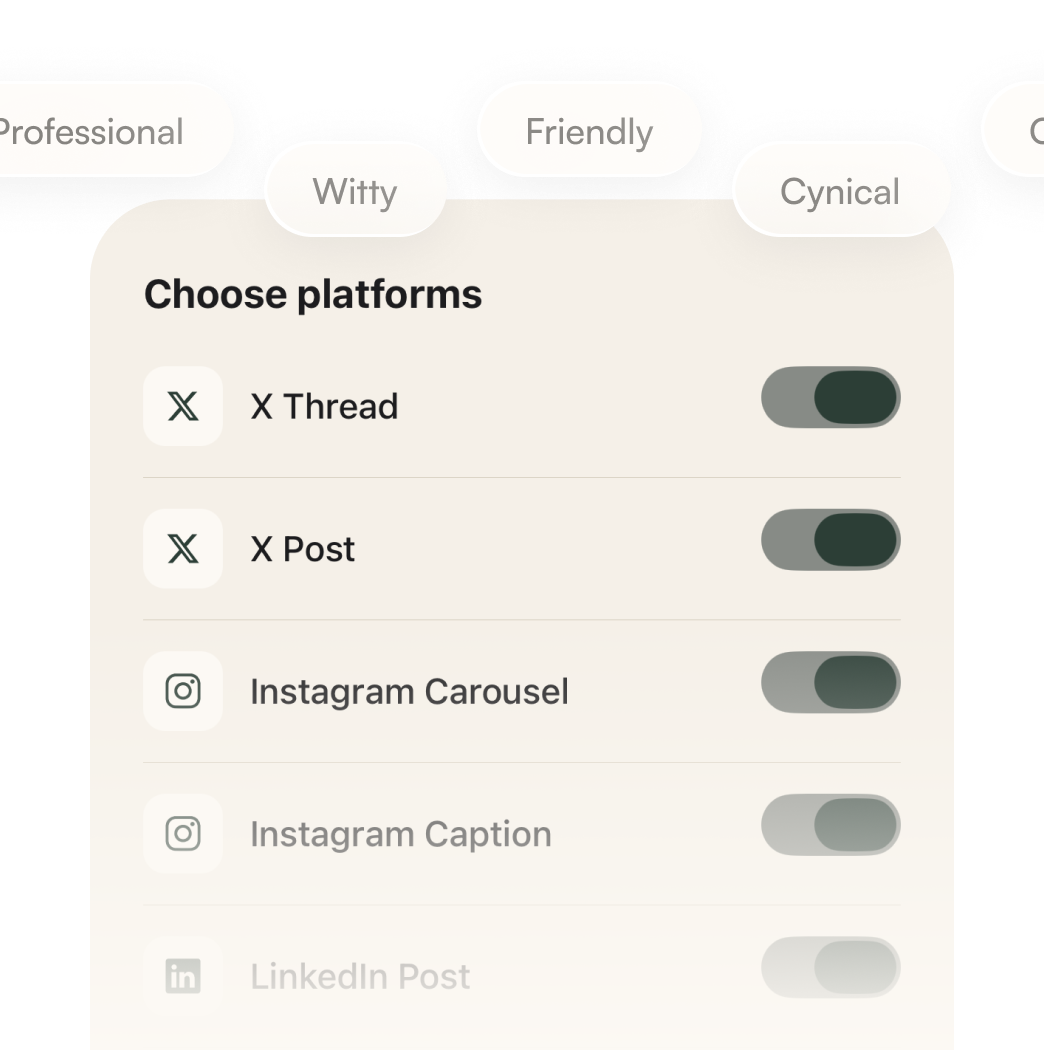
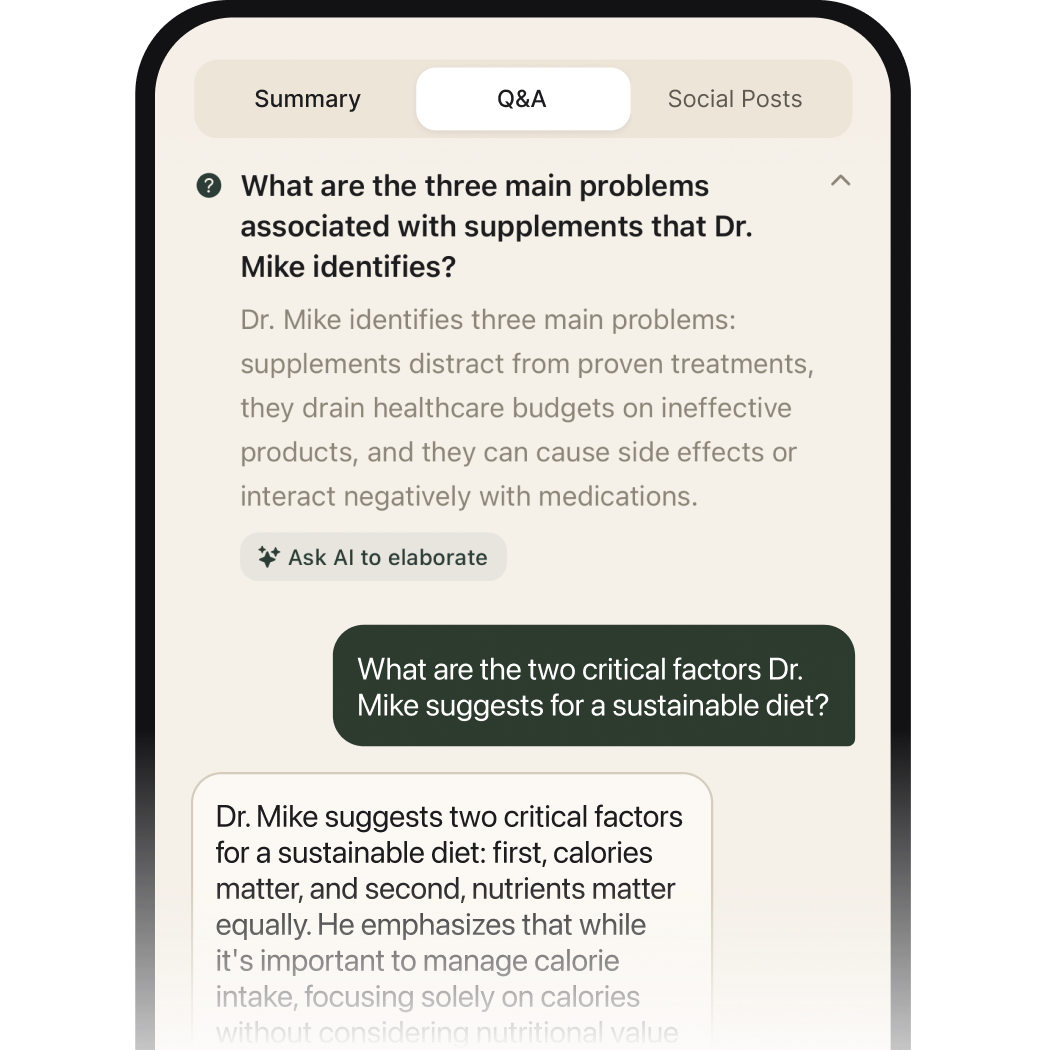
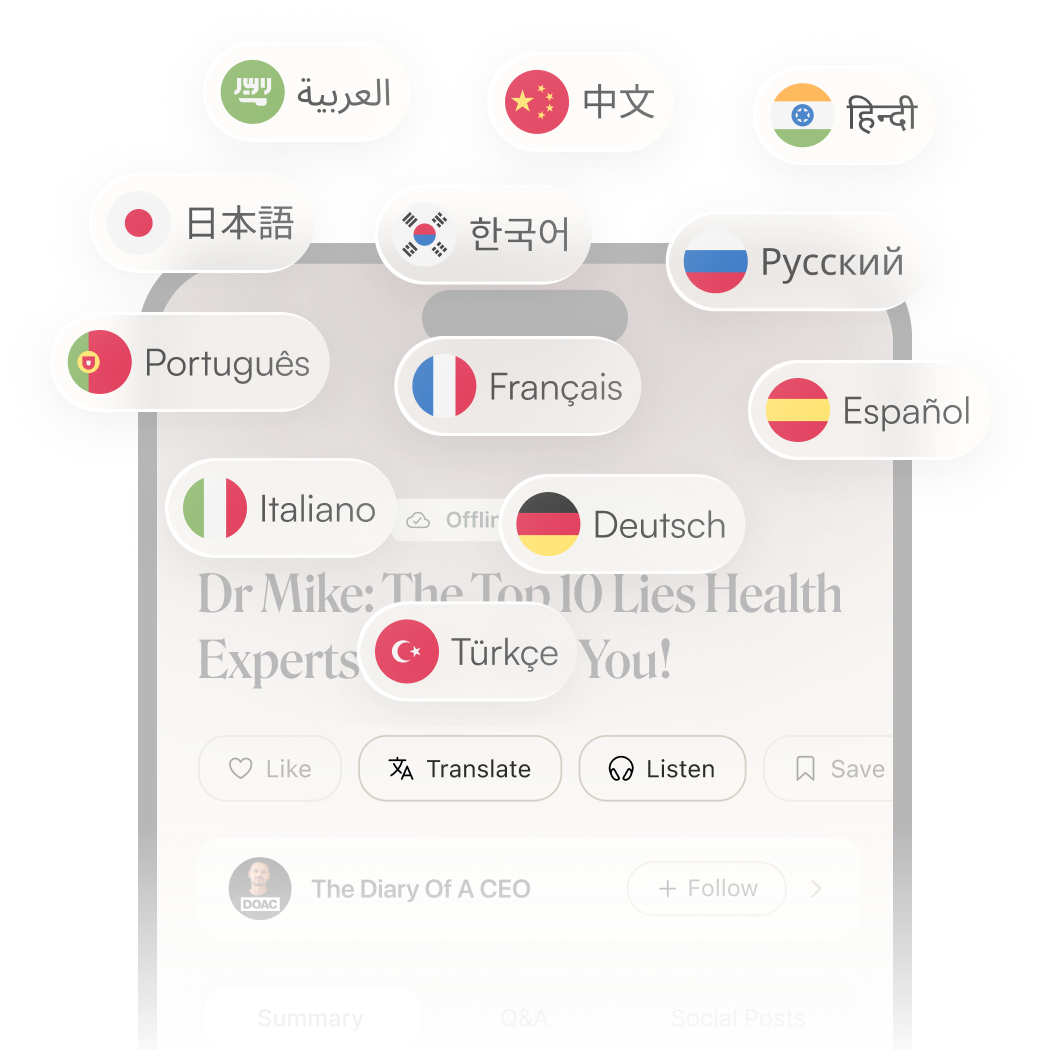
Summarised by Bite, an AI YouTube video summarizer that also works as a podcast summarizer.