Our Crises in Context
End of Abundance | 1. Perspective
Summarised with Bite · 14 min read
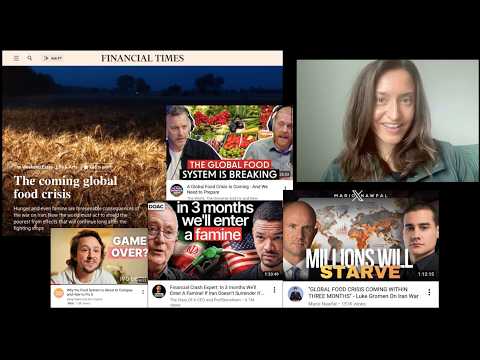
A frank examination of the fragility of global food systems through the lens of historical collapse patterns, revealing why the current Hormuz crisis was inevitable. The speaker argues we've been on a collision course since agriculture began, and the population die-off predicted for decades is finally arriving on schedule.
0:00 – 5:11
Who Gets to Say 'We' When Asking If We're Starving Yet?
Before diving into food system collapse, the speaker pauses on a uncomfortable truth: some of us are already starving. The 'we' in 'are we starving yet?' assumes a baseline of food security that hundreds of millions never had. According to UN data, 8% of humanity is undernourished, meaning they lack the energy for a normal, active, healthy life. That figure sounds almost modest until you run the math: 8% of 8 billion people is over 640 million humans. The number was declining until 2016, when it started ticking upward. Jem Bendell points to this inflection point in his book Breaking Together as evidence that global systems were already crumbling before COVID, not because of the lockdowns everyone blames, but from deeper structural fractures. The data recovered slightly through 2024, but the speaker suspects updated numbers would show it climbing again. One in five children under five is stunted from caloric deficits. In Nigeria, conflicts between cattle herders and sedentary farmers have killed over a thousand people in the past two years. The BBC notes that rapid population growth intensifies competition for limited land and water, creating a self-reinforcing cycle of environmental stress, migration, and conflict. Climate change compounds this through more intermittent rainfall and desertification. The UN World Food Program predicted that in 2025, nearly 35 million people would face severe food insecurity, including 'famine-like conditions,' a term the speaker notes is frustratingly vague compared to just calling it famine. In Sudan, war is driving people to eat 'weeds and plants,' prompting the speaker to highlight a woman in a photo looking at the photographer as if to say, 'how do you not know weeds and plants are the same thing?' Even in the United States, 13.7% of households are food insecure. The data distinguishes between low security (where people alter their diets, use SNAP benefits, or visit food pantries) and very low security (where eating patterns are substantially disrupted). The speaker wonders if the numbers would be higher if they counted people buying groceries on credit through programs like Shopify.
4 more sections in the app
- 5:11 – 11:38The Mass Balance Sheet: What Agriculture Does to Every Species That Isn't Us
- 11:38 – 14:35Collapse Means Numbers Go Down, Not Just Quality
- 14:35 – 20:00The Limits to Growth: We Were Always Going to Hit This Wall
- 20:00 – 20:47The Scale of Death Required to Actually Flatten the Curve
Summarised by Bite, an AI YouTube video summarizer that also works as a podcast summarizer.