TEDx Talks
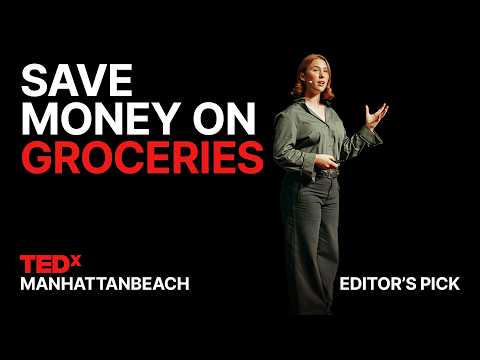
Do expiry dates actually indicate food safety? | Zoe Nicols | TEDxManhattanBeach
Summarised with Bite · 9 min read
A jar of nut butter becomes the entry point into a bigger problem: Americans often treat date labels as safety warnings when most of them are really rough quality estimates. Zoe Nicols shows how that confusion drives household waste, higher grocery bills, and less food reaching people who need it, then ends with a practical case for simpler labels and smarter consumer habits.
0:07 – 4:48
A Pantry Jar Turns Into a Research Question
She begins with a scene almost everyone recognizes: a jar of peanut or almond butter sitting in the pantry, looking normal, smelling normal, but suddenly feeling suspect the moment a person reads, "best by January 2025." That tiny label takes over the decision. Eat it, or throw it away? The emotional tension is simple but powerful, because nothing about the food itself appears wrong, yet the printed date feels like authority. For Zoe Nicols, this is not just a household annoyance. As president of South Bay Food Initiative at Mira Costa High School, and later a registered nonprofit focused on fighting hunger and food insecurity in the South Bay, she repeatedly saw donated nonperishables sidelined or discarded because they were considered "expired" or past their best by date. After four years of seeing usable food go to waste, a conversation with a community partner sharpened that frustration into a research question: to what extent does the interpretation of food product dating on the consumer level affect food waste in the United States? That question matters because it shifts the problem from food chemistry to human behavior. Her conclusion is direct: consumer misinterpretation of food product dating increases food waste. To explain why, she first clears up what the labels actually mean. According to the USDA, infant formula is the only food product required to have food product dating. That is already a surprising twist, because many shoppers assume every date is federally mandated for safety. She then separates dating into two categories. Closed dating is a coded string of letters and numbers used by manufacturers for inventory and recalls, not for consumers to decode at home. Open dating is the one most people rely on, the calendar date stamped on the package with phrases that sound authoritative but do very different jobs. Within open dating, she distinguishes safety dates, quality dates, and sell by dates. "Expired by," "used by," and "freeze by" are presented as safety recommendations. "Best by," "best if used by," and "enjoy by" point to quality, not danger, meaning the food may still be safe after the date but no longer at peak flavor or texture. "Sell by" is really for store management and liability, not your dinner table. Her core point lands here: most people are making yes or no safety decisions using labels that were never designed to answer that question.
2 more sections in the app
- 4:48 – 7:53Why Confusing Labels Create Real Waste
- 7:53 – 10:28The Numbers, the Policy Shift, and What Consumers Can Do
Summarised by Bite, an AI YouTube video summarizer that also works as a podcast summarizer.