TED
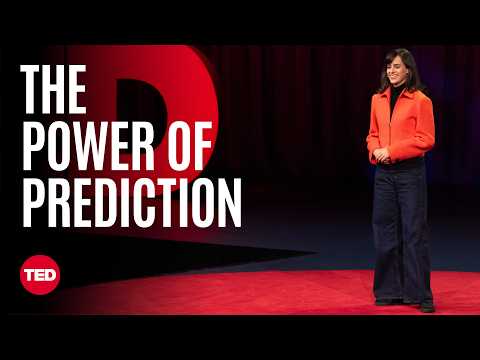
Beware the Power of Prediction | Carissa Véliz | TED
Summarised with Bite · 10 min read
Philosopher Carissa Véliz reveals how predictions—from ancient astrologers to modern AI—aren't harmless forecasts but disguised power plays that shape reality by demanding obedience. The future isn't predetermined, and treating predictions as facts surrenders our freedom to write it ourselves.
0:04 – 2:17
The Astrologer Who Predicted His Own Survival
King Louis XI once kept an astrologer who predicted a courtier's death within a week. When she died on schedule, the king faced a terrifying dilemma: either his astrologer was a murderer covering his tracks, or he possessed genuine foresight—making him dangerous enough to predict the king's own demise. Louis ordered his servants to throw the man out a window. But when Louis asked his final question—"How long will you live?"—the astrologer answered without hesitation: "I will die three days before Your Majesty." Louis never gave the signal. The astrologer didn't consult the stars for that answer. He understood something more fundamental: predictions aren't just knowledge—they're power. By linking his fate to the king's, he turned a death sentence into life insurance. This 15th-century con reveals a truth we've forgotten in our AI-obsessed age: most everyday predictions belong to the realm of power, not knowledge. We've simply replaced court astrologers with tech executives whispering in leaders' ears, using algorithms instead of star charts to play the same political games.
5 more sections in the app
- 2:17 – 4:46Why Predicting People Isn't Like Predicting Weather
- 4:46 – 5:47Prediction Markets and the Illusion of Wisdom
- 5:47 – 7:19The Kafkaesque World Where Nothing Can Be Challenged
- 7:19 – 9:58Rescuing Democracy From Its Prophets of Doom
- 9:58 – 11:37Uncertainty as Liberation, Not Anxiety
Summarised by Bite, an AI YouTube video summarizer that also works as a podcast summarizer.